




 On April 29, 2026
 By Rebecca Field
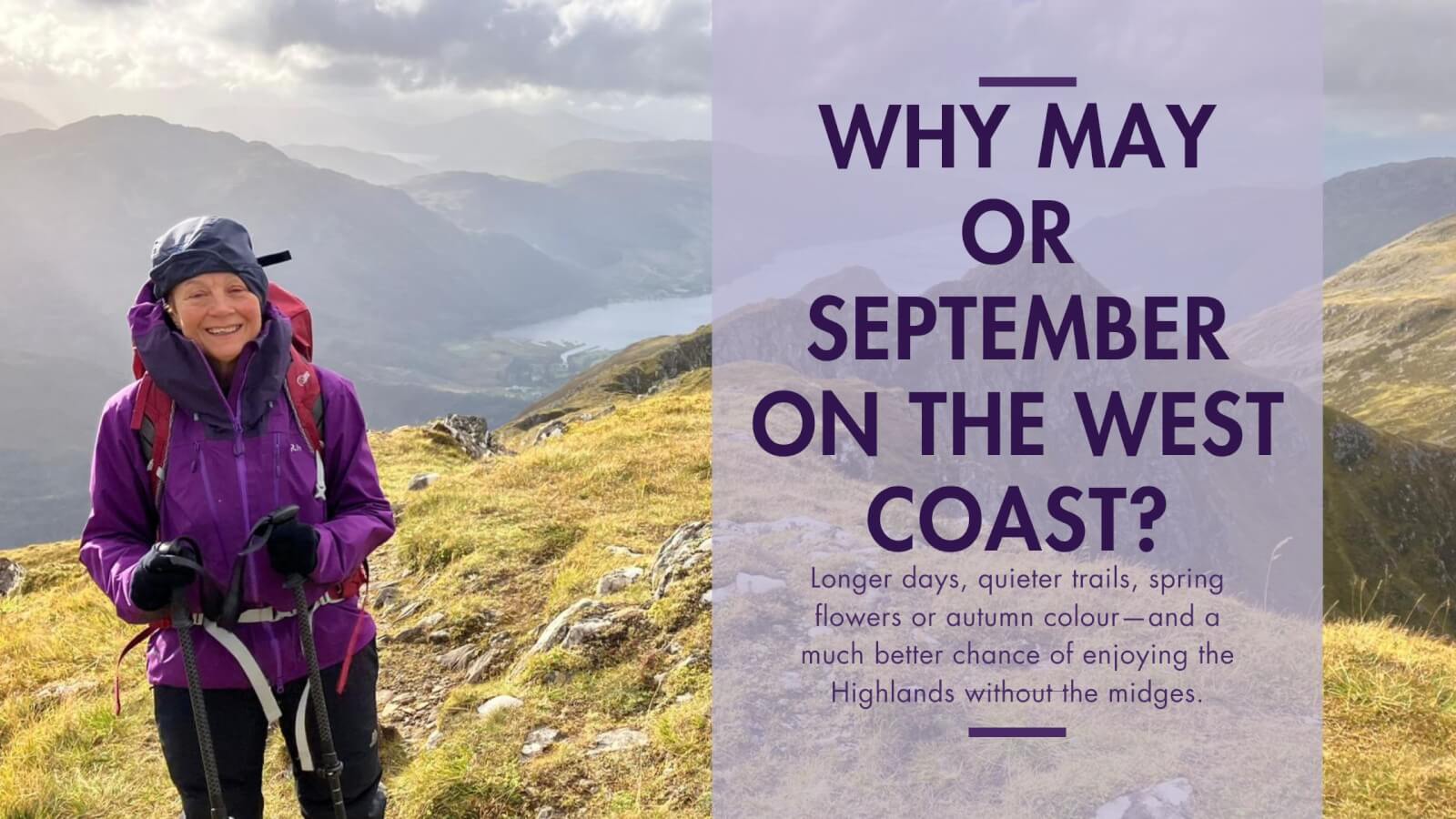
Longer days, quieter trails, spring flowers or autumn colour—and a much better chance of enjoying the Highlands without the midges.
If you’ve ever dreamed of visiting Scotland’s west coast, chances are you’ve pictured dramatic mountains, white-sand beaches, and sea lochs stretching into the distance. It’s a place that rewards those who seek it out—but timing your visit well can make all the difference between a good trip and a truly memorable one.
While July and August might seem like the obvious choice, those in the know tend to favour the quieter “shoulder seasons.” For us, May and September stand out as the sweet spot—offering the best balance of weather, atmosphere, and overall experience.
Here’s why.
1. Better weather than you might expect
It’s a common assumption that midsummer brings the best weather. On Scotland’s west coast, that’s not always the case.
May and September often deliver more settled conditions: crisp, clear days, good visibility for mountain views, and fewer of the heavy, persistent rain systems that can roll through in peak summer. In May especially, you can get long stretches of dry weather with fresh, bright air and incredible clarity—perfect for walking and photography.
September, meanwhile, can feel surprisingly warm after the summer months, with calmer conditions and softer light that gives the landscape a golden glow.
2. (Much) fewer midges
Let’s address the thing everyone quietly worries about: midges.
These tiny insects thrive in warm, still, damp conditions—which is why they tend to peak in mid-summer. While they’re part of the Highland ecosystem, they can be a nuisance if you happen to hit the wrong conditions.
May typically falls before the main midge season gets going, meaning you can enjoy evenings outdoors, scenic stops, and post-walk relaxation without constantly reaching for repellent.
By September, cooler nights and a shift in weather patterns usually bring a noticeable drop in midge activity again. They don’t disappear entirely, but they’re far less of a factor than in July or August.
In short: if avoiding midges matters to you, these months stack the odds firmly in your favour.
3. Longer days without the crowds
One of the great joys of visiting the west coast is the sense of space—and in May and September, you get that in abundance.
May offers long daylight hours (approaching the famous near-endless northern evenings), giving you plenty of time to explore without feeling rushed. Trails are quieter, viewpoints are more peaceful, and it’s easier to find those moments where you feel like you have the landscape to yourself.
September brings slightly shorter days, but still plenty of usable light—and a welcome return to calm after the busier summer period. Popular spots feel more relaxed, and accommodation, ferries, and roads are noticeably less pressured.

4. Seasonal highlights: wildflowers or autumn colour
These two months each bring their own distinct character to the landscape.
May is all about renewal. Wildflowers begin to appear, woodlands come into fresh leaf, and the hills take on that vivid early-season green. It’s a time of energy and contrast, with snow sometimes still clinging to the highest peaks while spring unfolds below.
September, on the other hand, is softer and more reflective. Hints of autumn colour start to appear—golden grasses, warming tones in the bracken, and a richness to the landscape that feels completely different from spring. The light is lower, the air is calmer, and the whole experience feels more atmospheric.
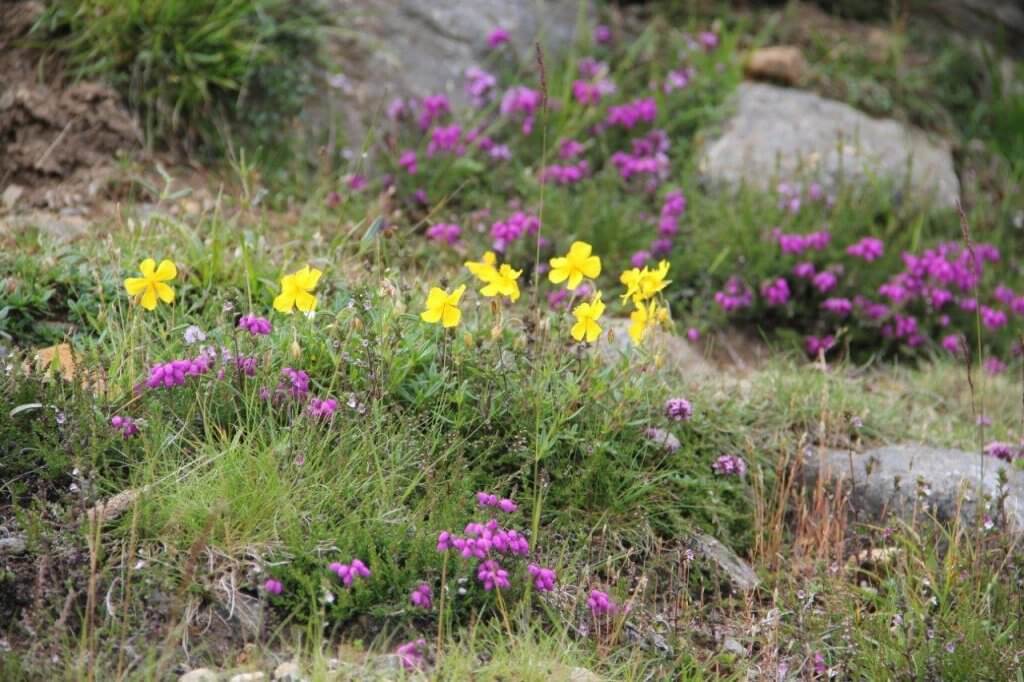
Surprising colours of the Highlands
5. A more relaxed, immersive experience
Perhaps the biggest difference isn’t just weather or midges—it’s the overall feel of your trip.
In May and September, everything slows down just enough. There’s more space on the trails, more time to take in the views, and a greater sense of connection to the landscape. You’re not competing with peak-season crowds, and you’re more likely to experience those quiet, memorable moments that make a trip special.
Whether it’s standing on a ridge with uninterrupted views, enjoying a peaceful beach walk, or simply sitting outside in the evening light, these are the experiences people remember long after they’ve gone home.
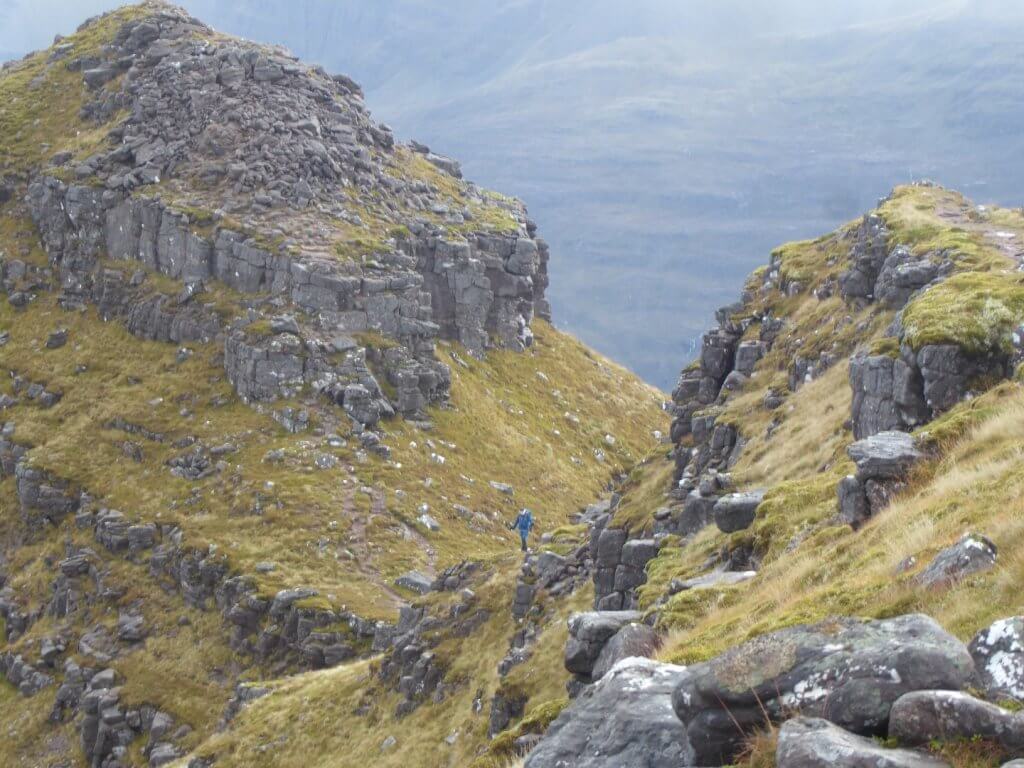
Classic Torridon, September 2021
So, When Should You Go?
If you’re looking for the classic west coast experience—dramatic scenery, rewarding walks, and that feeling of wild, open space—May and September offer a compelling advantage.
- Better chances of settled, enjoyable weather
- Significantly fewer midges
- Quieter trails and a more relaxed atmosphere
- Distinct seasonal beauty, whether spring or early autumn
It’s not that summer is a bad time to visit—but if you want to tilt the odds in your favour, these “secret seasons” are hard to beat.
And once you’ve experienced the west coast in May or September, you may find yourself wondering why more people don’t do the same.