




 On April 22, 2026
 By Rebecca Field
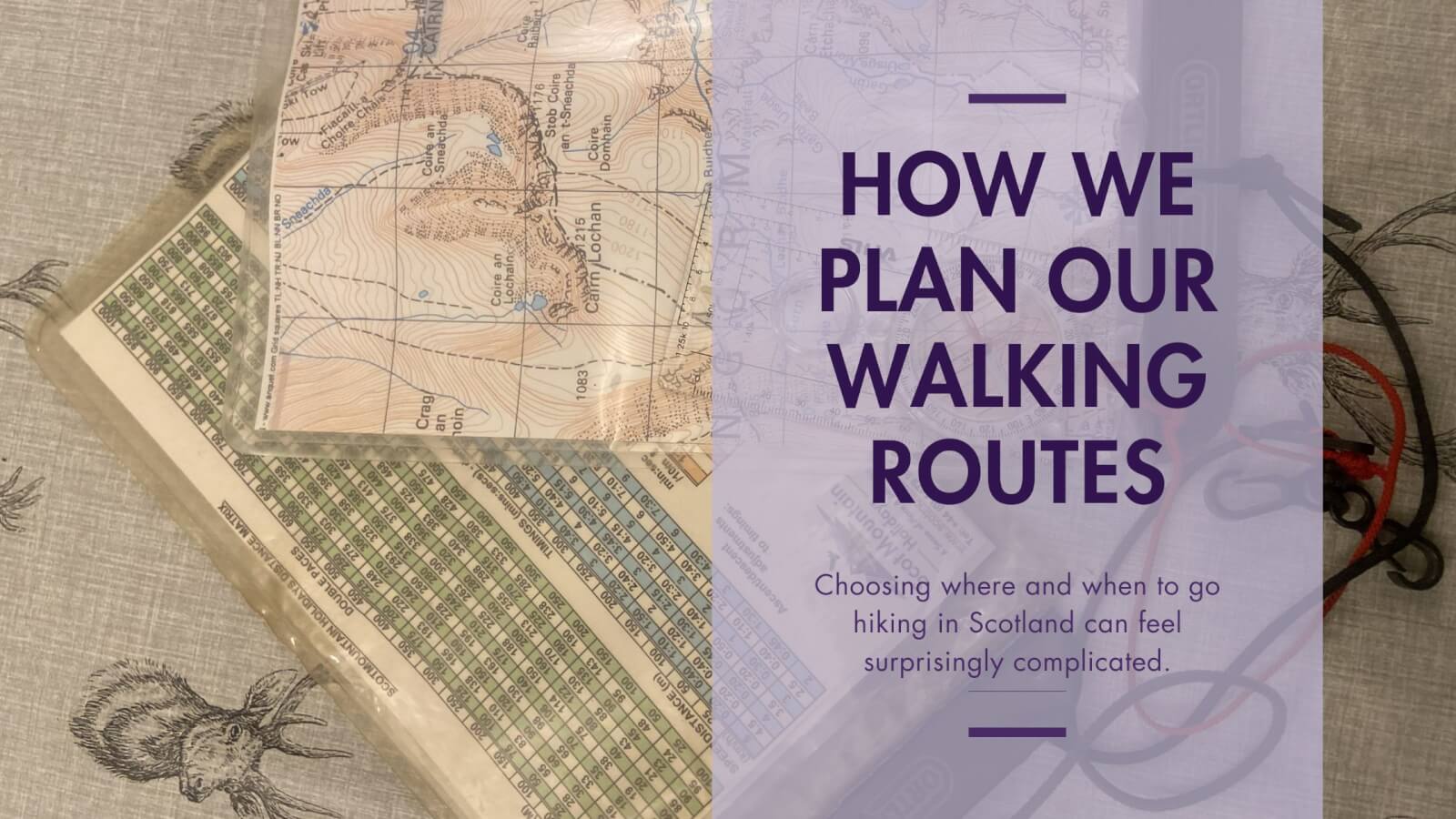
Choosing where and when to go hiking in Scotland can feel surprisingly complicated.
We’re incredibly lucky here — the range of landscapes and walking opportunities is vast. From gentle glens to high mountain routes, there’s something for every kind of walker. Since lockdown, more people than ever have discovered the outdoors, which is fantastic — but it also means “a walking holiday” can mean very different things to different people.
As a business focused on creating safe, rewarding, and memorable experiences in the Highlands, we put a lot of thought into how we plan our itineraries. If you’re organising your own trip, many of the same considerations apply.
1. Weather (and working with it, not against it)
Scotland’s weather is part of the experience — but it does require a bit of thought.
There are now excellent specialist mountain weather forecasts and increasingly accurate modelling tools. That said, no forecast is ever completely reliable, especially weeks in advance when many trips are booked.
When planning our trips, Andy often looks at something called UK weather singularities — patterns based on historical data that suggest the likelihood of settled weather at certain times of year. Some of these even have names, like St. Luke’s summer, a spell of fine weather often occurring in October.
It’s not an exact science, but it does help stack the odds slightly more in your favour. More importantly, it reinforces a key point: flexibility and the right mindset matter just as much as the forecast.
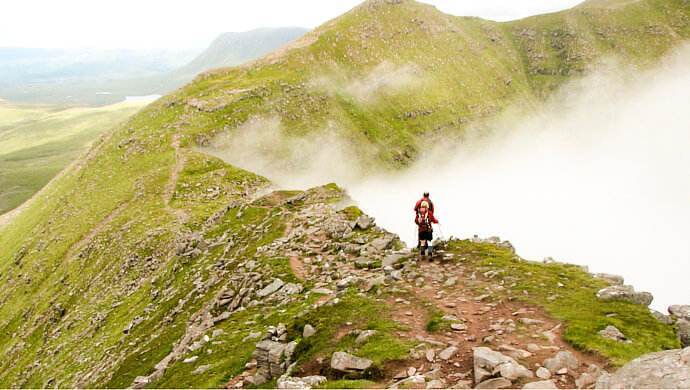
The weather’s not always perfect (it is Scotland) but can sometimes add drama to the scenery.
2. Route length (it’s not just about distance)
One of the most common questions we’re asked is: “How long are the walks?”
It’s a fair question — but in the Highlands, distance alone doesn’t tell the full story.
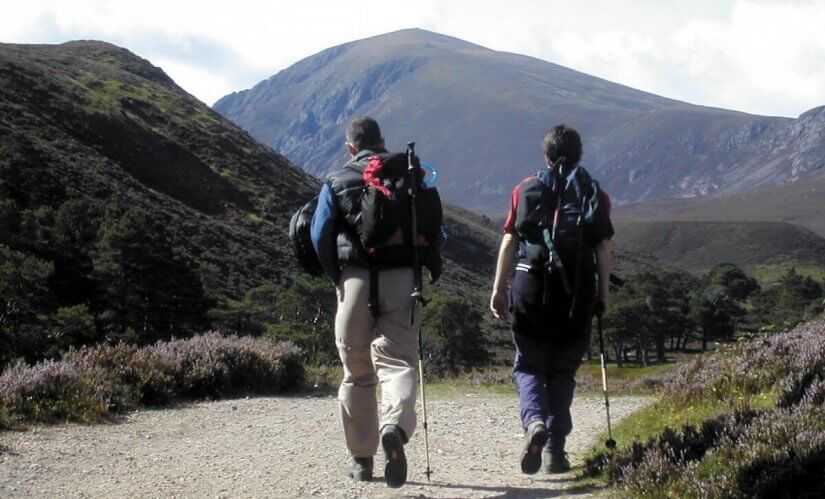
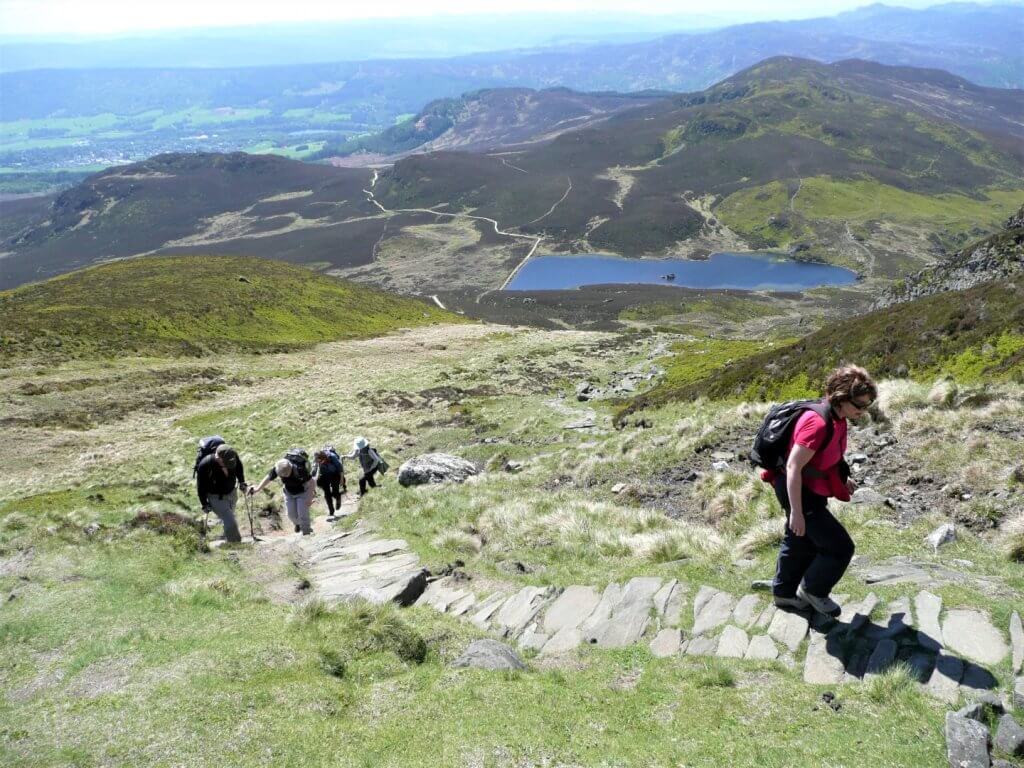
A 10km route here can feel very different from a 10km walk elsewhere. The terrain is often rougher, paths can be less defined, and there’s usually more ascent and descent than people expect — especially for those used to walking in lower-level or more urban environments.
Progress can be slower, but that’s part of the appeal. There’s time to take in the views, notice the changing landscape, and enjoy the journey rather than simply ticking off miles.
In many of the wilder areas, paths fade or disappear altogether. Thanks to Scotland’s access rights, you’re free to wander responsibly, choosing your own line across the landscape. That sense of freedom — of not being confined to a set trail — is one of the real joys of walking here.
3. Time of year
Every season in Scotland has its own character.
- Spring brings fresh greens, quieter trails, and a real sense of renewal.
- Summer offers long days and access to higher routes, though it’s also the busiest time.
- Autumn is a favourite for many, with rich colours, crisp air, and often very settled weather.
- Winter transforms the landscape entirely — beautiful, but requiring more experience and preparation.
There’s no single “best” time — it depends on what kind of experience you’re looking for.
4. Midges (they’re part of the picture)
No discussion of Scottish hiking would be complete without mentioning midges.
They’re most active in the warmer months, particularly in still, damp conditions. Some areas are more affected than others, and a bit of breeze can make all the difference.
With a bit of planning — and the right kit — they’re manageable. And they’re a small trade-off for having these landscapes largely unspoilt.
5. Accommodation and logistics
Where you stay — and how you move between locations — can shape your whole experience.
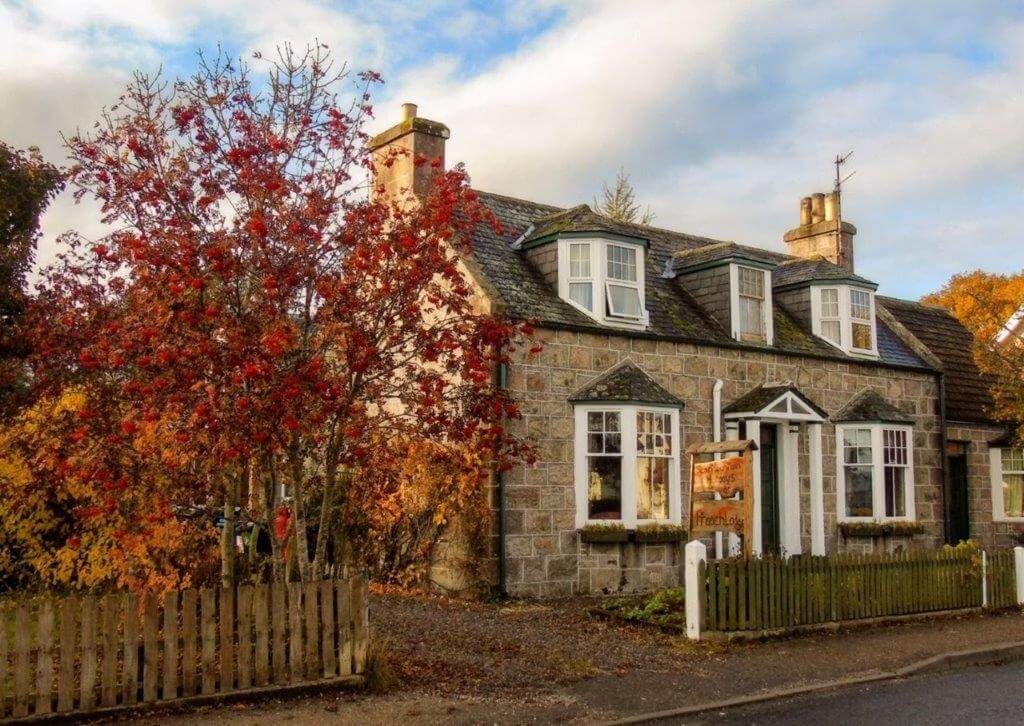
In more remote areas, accommodation can be limited, and distances between places are greater than they might appear on a map. Transport also requires a bit of planning, particularly if you’re not bringing your own vehicle.
That’s one of the reasons many people choose a guided or supported trip: it allows you to focus on the walking, without having to think about the logistics each day.
6. Popularity (and finding the quieter paths)
Some routes — understandably — are very popular. Well-known trails have their appeal, but they can also be busy at peak times.
One of the real pleasures of walking in Scotland is how easy it is to step away from the crowds. With a bit of local knowledge, it’s possible to find quieter routes that feel far more remote, even in the height of the season.
Bringing it all together
Planning a hiking trip in Scotland isn’t just about picking a route — it’s about balancing all these elements: weather, terrain, timing, logistics, and the kind of experience you want to have.
Get that balance right, and the rewards are immense. Space, freedom, ever-changing light, and a landscape that invites you to slow down and properly take it in.
And if you’d rather not piece it all together yourself — that’s exactly what we’re here for.