




 On February 25, 2026
 By Rebecca Field
What if the weather changes?
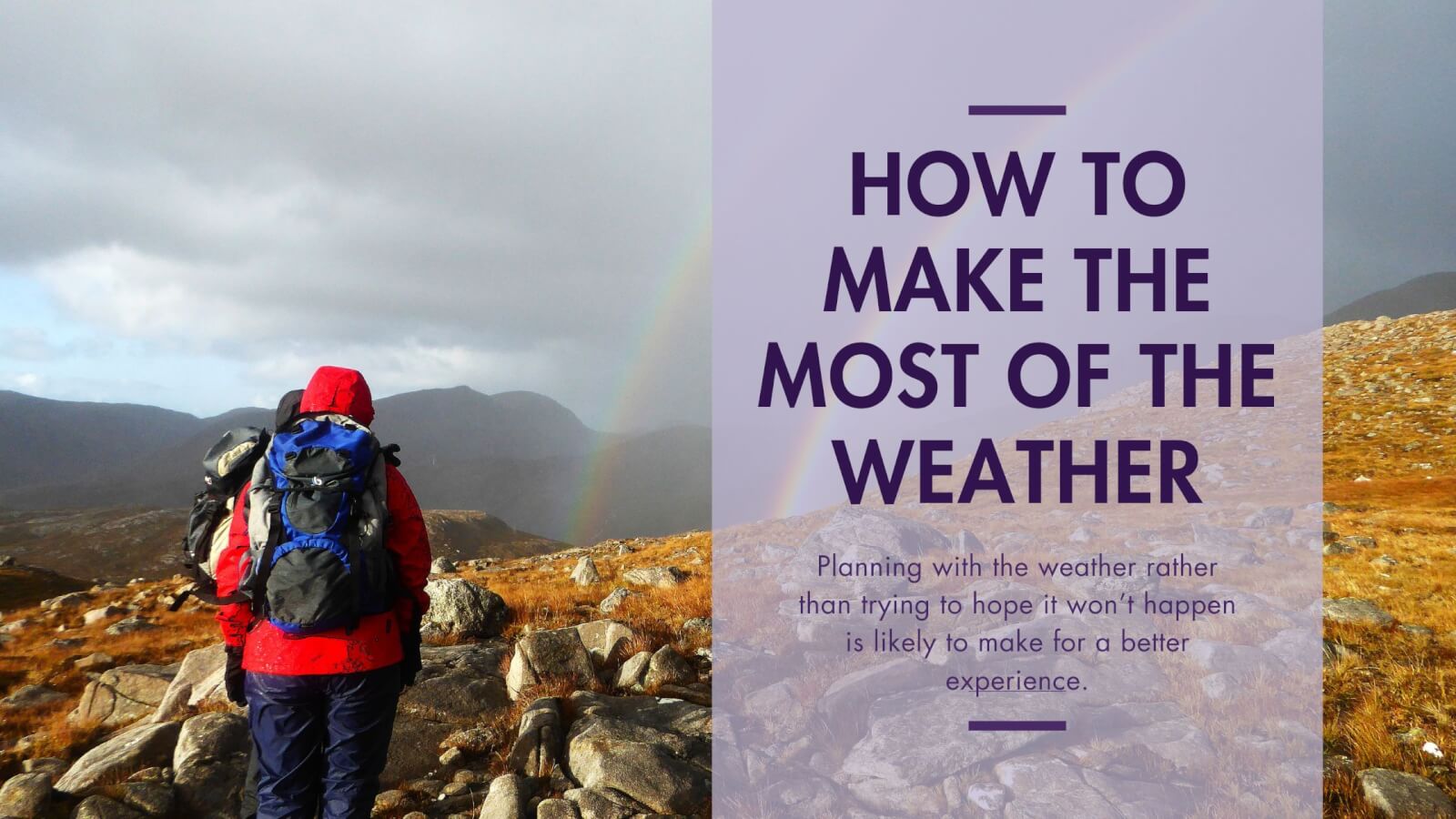
Making the most of the weather when planing a group hike is not always easy in Scotland. When people from North America think about Scottish weather, a couple of expectations often come up:
-
Weather forecasts will be reliable
-
Plans will stick exactly as scheduled
But anyone who’s spent real time in the Highlands knows that Scottish weather has its own rhythms, and the best walking days often come from planning with that uncertainty — not hoping it won’t happen. At Scot Mountain Holidays, we help you enjoy the best of the Highlands without letting weather become a worry.
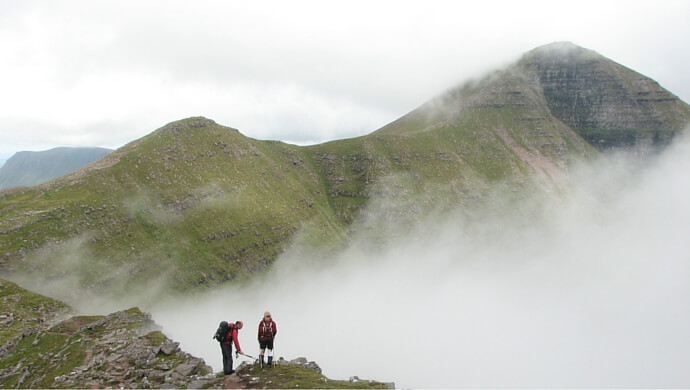
Above the clouds in spectacular mountain scenery
East vs. West: the weather divide in Scotland
One of the most important things to understand about Scottish weather is the dramatic east–west rainfall gradient.
🔹 The western Highlands, buffeted directly by Atlantic weather systems and steep mountains, are amongst the wettest places in the UK — with annual rainfall up to around 3,000–4,500 mm in places.
🔹 In contrast, much of eastern Scotland sees much lower rainfall — often less than ~800 mm a year — and places like the northeast coast can be considerably drier than the west.
This means:
-
Coastal and eastern Highland routes often have fewer persistent wet days.
-
Sunshine, clearer skies, and lighter showers are more common there than in the west.
Sometimes the difference can be striking — extreme rainfall in western areas can contrast with much lower totals on the east coast over the same period.
This east–west split is one of the reasons we base many of our routes and daily options on microclimates rather than rigid forecasts.
Less midgy here — but what does that mean?
“Midges” — the tiny biting flies that are famous in Scotland — are a seasonal talking point for many walkers. Here’s what’s useful to know:
-
Midges are most active when it’s damp, calm, and humid — especially in sheltered woods or near water.
-
They’re much more prevalent in the wet west and north, where the conditions suit them best.
-
Eastern and coastal areas — and breezier ridge routes — tend to have far fewer midges.
That doesn’t mean you’ll never see one — but when we plan routes and alternatives each day, midge conditions are part of the picture. The result? You’re far more likely to enjoy calm sunshine or breezy conditions than slogging through wet, midgy woodlands.

North Americans and weather expectations — let’s reset
Many hikers expect that:
✔️ The forecast is set in stone
✔️ Plans must never change
✔️ A “good day” means following the original itinerary exactly
But in the Scottish Highlands, the magic often comes from flexibility.
Here’s the truth:
-
Forecasts give guidance — but not guarantees. Scottish weather can change rapidly.
-
Instead of rigid plans, the best experiences come from being ready to adapt routes and timing.
-
A day that looked grey in the forecast can become one of your favourites — and that happens because plans are flexible.
This is weather-based planning — and it’s how we make great days happen.
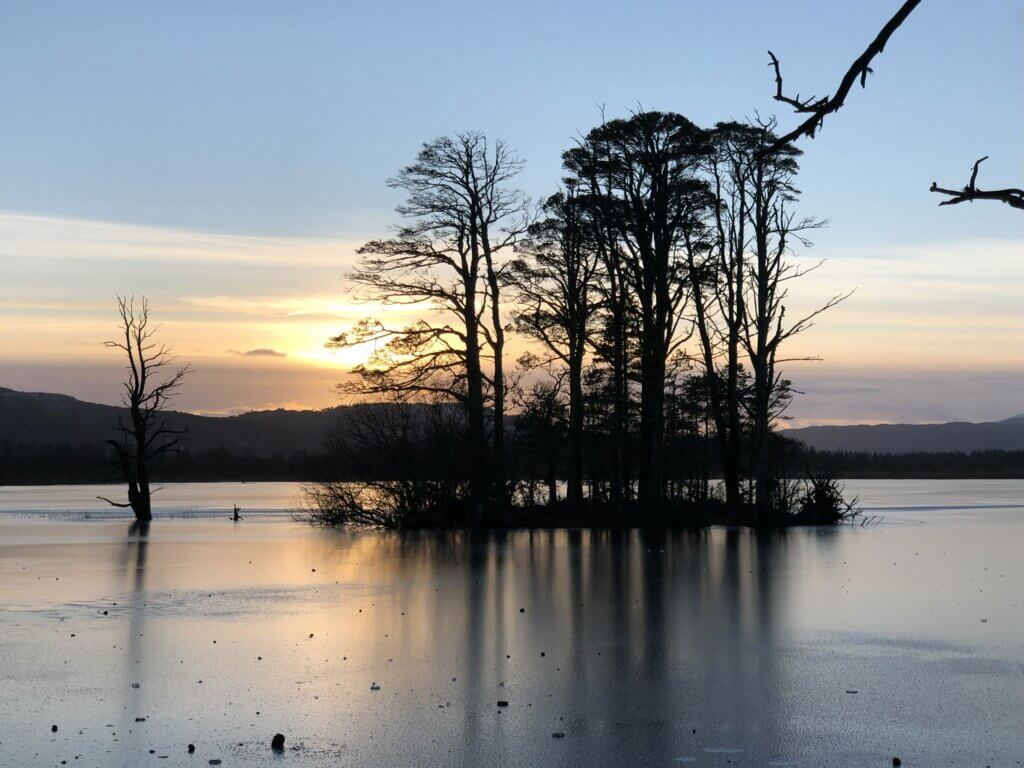
How We Make It Work for You
At Scot Mountain Holidays, we blend local knowledge with flexible planning so your group never “loses” a day — the plan simply changes in smart ways.
Here’s how:
Local Decision-Making
We use real-time conditions — not generic forecasts — when choosing your route for the day.
That means we might suggest:
-
A morning forest walk if wind and rain are moving in from the west
-
A coastal or east-leaning ridge route if showers hit the interior
-
A late afternoon high pass if the sun breaks early
You enjoy the best conditions available, not the original itinerary regardless of weather.
Multiple Daily Options
Instead of one fixed plan, we build in Plan A • Plan B • Plan C for every day. We always try to stick as close as we can to the advertised itinerary but sometimes getting the best out of your week, just means altering the order of the activities we’re planned; or being flexible with the timing. Often this means we’re not fully committed to the next day’s plan until the day starts as we want you to have the best possible time here in Scotland
Options may include:
-
Sheltered forest trails when winds and showers are strong
-
East-facing coastal paths when inland skies are unsettled
-
High ridge or summit walks when weather windows open
-
Cultural routes, distillery visits, or scenic drives if the weather turns truly wet
This keeps your holiday full, varied, and weather-smart.
Key Reassurance: Your Group Never Loses a Day
Here’s the bottom line:
You won’t lose a day because of weather — the plan simply changes to use the best of what the day offers.
We take the guesswork out of changeable weather, so you can relax, explore, and enjoy the Highlands — in comfort, in beauty, and often in sunshine — even if the forecast looked uncertain.