




 On January 28, 2026
 By Rebecca Field
One group, many expectations – managing ability & pace in Scotland
Organising an overseas hiking vacation that genuinely works for everyone in a group is one of the biggest challenges facing group leaders. Differences in fitness, hiking experience, personal goals, and travel expectations are present in almost every group — and those differences are often amplified when the destination is unfamiliar.
Scotland’s terrain, weather, and remoteness can add another layer of complexity. Distances may look short on a map, but rough ground, elevation gain, and changeable conditions mean that two walkers with similar fitness at home can have very different experiences on the hill. Careful planning is essential.
A wide range of fitness and experience
Most hiking groups include participants with varying levels of fitness, confidence, and technical experience. Some members may hike regularly in mountainous terrain; others may be strong walkers but unfamiliar with rough trails, boggy ground, or sustained ascents.
As group size increases, these differences become harder to manage. Larger groups tend to fragment naturally, with faster walkers pulling ahead and slower walkers feeling pressure to keep up. From our experience, limiting group size to around eight participants makes a significant difference. Smaller groups are easier to pace, easier to supervise, and tend to function more cohesively — particularly in remote environments where clear communication and decision-making matter.
For organisers, this also simplifies logistics: transport, accommodation, dining, and guiding ratios are all easier to manage at this scale.
Differing ambitions: iconic summits vs. realistic itineraries
Many group members will arrive in Scotland with specific ambitions — often iconic summits or well-known routes they’ve seen in guidebooks or online. These goals can be motivating, but they can also create tension if they are unrealistic for the whole group.
The key is to be explicit early on. Set expectations clearly and base your itinerary on what is achievable for the group as a whole, not the strongest individuals. Consulting with a local guiding company during the planning phase can be invaluable here. They can help assess whether ambitions can be accommodated safely and, crucially, whether it is possible to offer alternative walks on the same day without compromising supervision or safety.
This approach allows stronger walkers to feel challenged while ensuring the rest of the group has a rewarding day, rather than feeling like they are failing to meet someone else’s benchmark.
Scenic and cultural priorities matter too
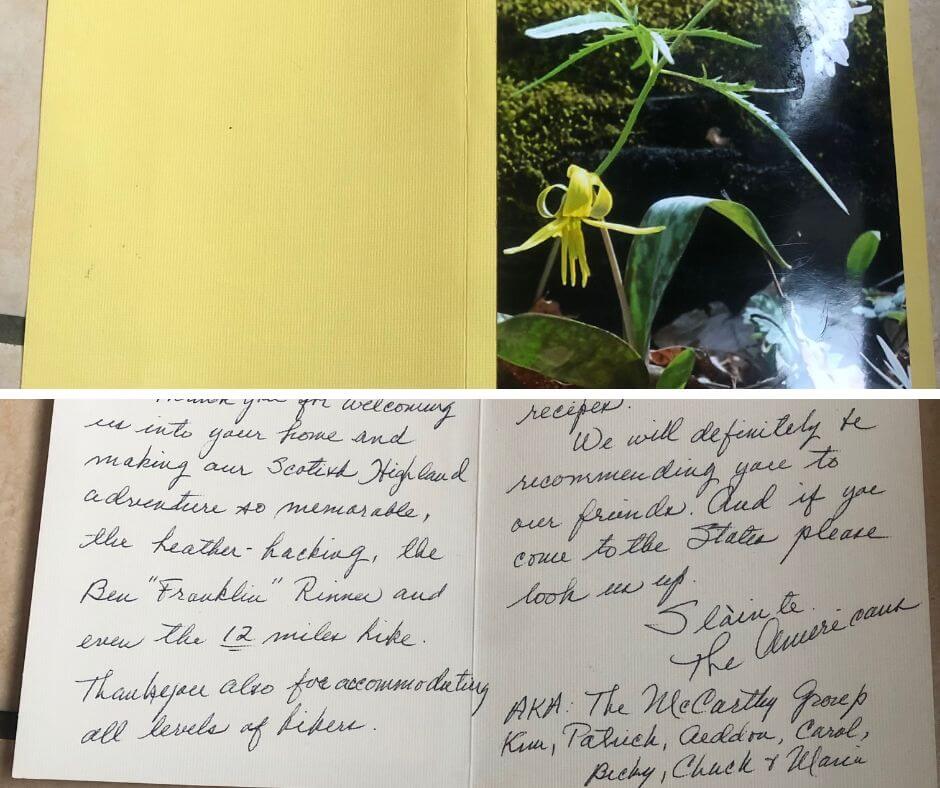
Not every participant measures success by summits climbed or miles covered. Many are drawn to Scotland for its landscapes, history, wildlife, and sense of place. For first-time visitors, there is often a desire to see “the famous sights” — but this can raise another question: is the goal to tick boxes, or to experience the country more deeply?
Scotland offers exceptional walking that delivers dramatic scenery without technical difficulty, as well as opportunities to weave in cultural elements — historic sites, local stories, food, and landscapes shaped by centuries of human use. These quieter, less commercial experiences often become the most memorable parts of a trip.
Local knowledge makes a real difference here. Routes and locations promoted by large, international operators are often popular for a reason, but they also tend to be busy. Working with a local provider opens up alternatives that offer just as much impact, without the crowds.
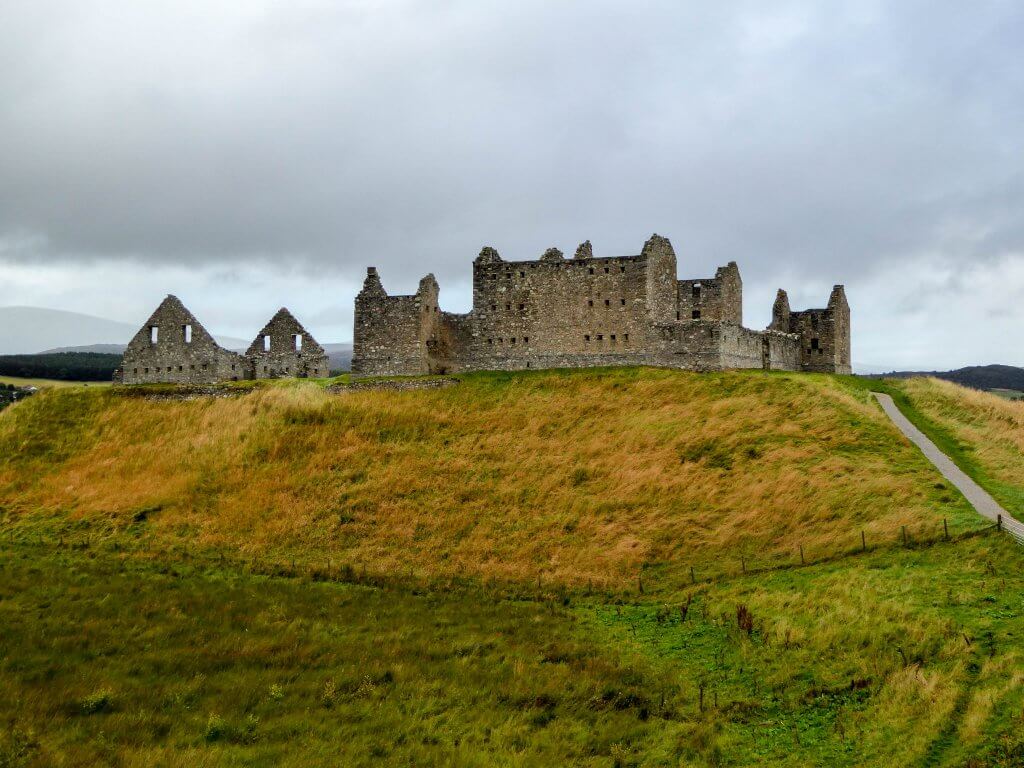
Historical sites in the Scottish countryside
Designing choice-based days
One of the most effective ways to manage mixed ambitions is to build choice-based days into the itinerary. Rather than forcing the entire group onto a single route, days can be structured to offer:
- Optional summit objectives for those who want a physical or technical challenge
- Parallel lower-level or shorter routes that still deliver big views and a sense of achievement
- Cultural or scenic alternatives that don’t feel like a consolation option
Well-designed shorter walks in Scotland often provide outsized rewards — dramatic glens, lochs, and coastlines — without the sustained effort or exposure of higher summits.
Pacing and group dynamics on the ground
Even with careful planning, the day-to-day experience matters. Guide-led pacing helps ensure that no one feels rushed or left behind, and that breaks, regrouping points, and decision-making are managed calmly and professionally.
When this is done well, the tone of the trip changes. Participants stop comparing themselves to one another and start enjoying the experience.
As we often reassure group leaders:
“No one feels like they’re holding the group back — and no one feels under-challenged.”
Planning takeaways:
- Limit group size to improve cohesion and safety
- Plan for choice-based days, not single fixed objectives
- Base itineraries on terrain and conditions, not just mileage
- Use local expertise to avoid crowding and mismatched expectations
Be sure to also check out part 1 of this series where we discuss the kind of terrain you might encounter in Scotland.