




 On May 13, 2026
 By Rebecca Field
Why local knowledge changes everything (on a guided hiking holiday)
There is a moment on many guided hiking holidays in Scotland when guests realise that a good week in the mountains is about far more than simply following a route.
It might come when the weather forecast changes overnight and a planned high-level walk quietly becomes a beautiful day through ancient pinewoods instead. Or when a guide chooses a less obvious path that suddenly opens onto a silent glen with hardly another person in sight. Sometimes it is simply the relief of knowing someone else has already thought about the changing wind, river levels, cloud cover, timing, transport and where to find the best place to stop for lunch.
From the outside, a walking holiday can look straightforward. Pick a famous route, follow a map, hope for good weather.
In reality, the Highlands rarely work like that.
The conditions change constantly. Light, wind, temperature and visibility can vary enormously from one glen to the next. A route that feels magical one day can feel exposed and exhausting the next. Often the difference between a good day and a memorable one comes down to quiet decisions made before anyone has even laced their boots.
That kind of judgement is difficult to learn quickly. It comes from years spent walking the same landscapes in every season and all kinds of weather.
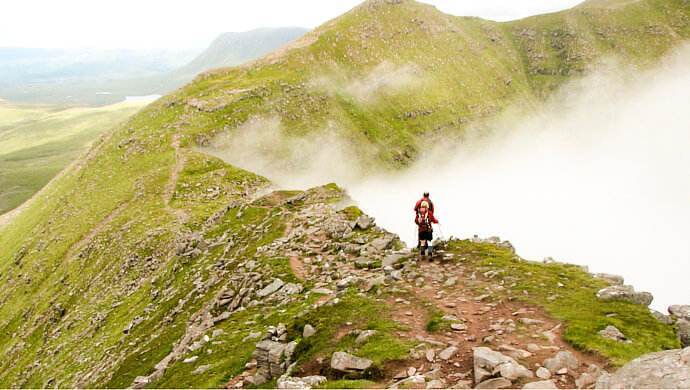
The weather’s not always perfect (it is Scotland) but can sometimes add drama to the scenery.
At Scot Mountain Holidays, we’ve been guiding and hosting walking holidays in and around the Highlands, including the Cairngorms National Park, for more than 25 years, and one thing we’ve learned is that flexibility matters far more than rigid itineraries.
A carefully planned week is important, of course. But the real skill lies in adapting that plan to the people, the conditions and the mood of the day.
Sometimes the best decision is not to head for the biggest summit.
Sometimes it is choosing a quieter route because the light will be better there in the afternoon. Or recognising that a group who arrived tired on Saturday will enjoy a gentler first day while they settle into Highland pace and rhythm. Sometimes it means avoiding the place everyone else is heading because experience suggests there is a better alternative only a few miles away.

That local knowledge is becoming increasingly valuable.
Social media has undoubtedly inspired more people to discover the Highlands, which is a wonderful thing. But it also tends to funnel visitors towards the same photogenic locations, viewpoints and “must-do” routes. Certain places become extraordinarily busy while equally beautiful glens, forests and hill paths remain almost empty.
A photograph rarely tells the full story of a walk.
It cannot tell you whether the path is eroded, whether the car park fills by 9am, whether the light is usually better in the opposite direction, or whether a quieter neighbouring route offers a richer experience altogether. Nor can it explain the feel of a place: the scent of pine after rain in the Abernethy Forest, the sudden stillness beside a hidden lochan, or the long northern evening light that lingers across the Cairngorm plateau in June.
Those things are harder to package into an algorithm.
They are also often the moments people remember most.
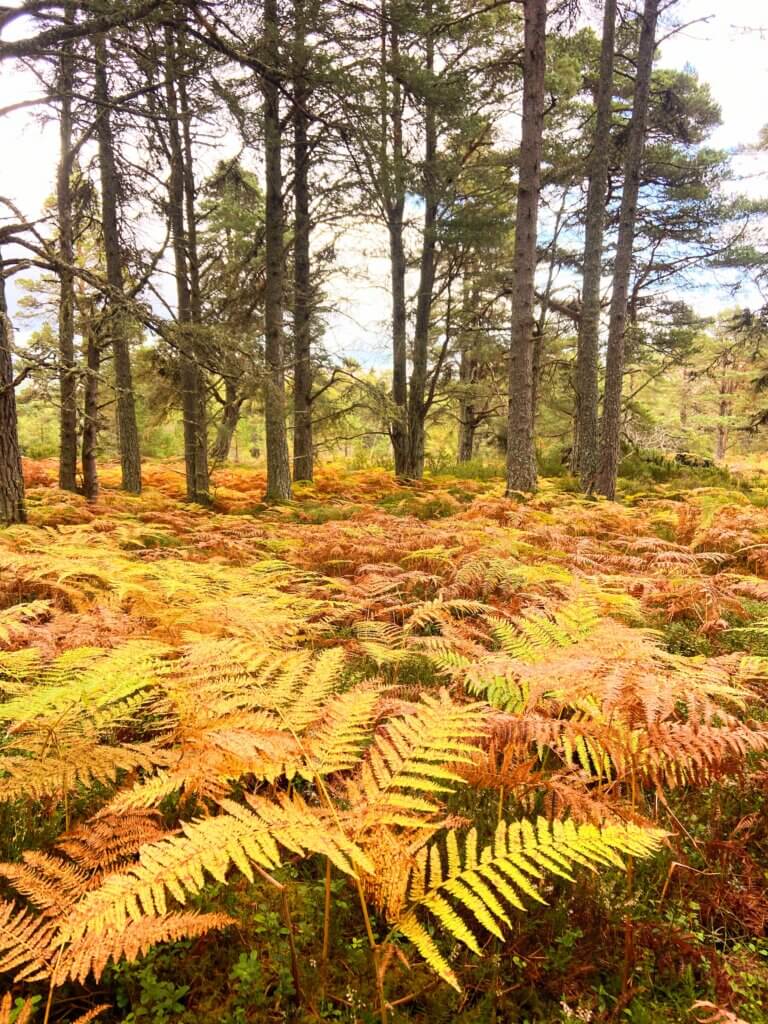
Over the years we’ve found that guests rarely talk most enthusiastically about the biggest mountain or the hardest day. Instead, they remember unexpected wildlife sightings, conversations over coffee after a walk, a hidden path through old Caledonian pinewoods, or the sense of space and quiet that is increasingly difficult to find elsewhere.
A smaller group allows room for adjustment. Plans can evolve. Walks can be adapted to weather, energy levels and interests. If conditions are perfect somewhere unexpected, there is freedom to change direction. Equally importantly, guests have time to get to know both the landscape and the people guiding them through it.
For us, that process often begins long before a holiday itself.
The conversations we have before a trip — about previous walking experience, confidence, hopes for the week and what people most want from their time in Scotland — are often as important as the walking itself. They help shape the experience in subtle ways that no standard itinerary really can.
It is also why being both the people who answer the initial enquiry and the people who help deliver the holiday matters.
There is continuity in that relationship. Guests are not being passed from a sales team to an operations team to an unfamiliar guide arriving with a clipboard on Sunday evening. Instead, the people planning the week already know something about the individuals arriving at the lodge: how they like to walk, what they are nervous about, what excites them and what kind of experience they are really looking for.
That understanding builds gradually over the course of the week too.
By day three, walking pace settles naturally. Conversations deepen. Guides learn when the group wants challenge and when it wants space to slow down and absorb the landscape. Good guiding becomes less about leading from the front and more about quietly shaping the rhythm of the week.
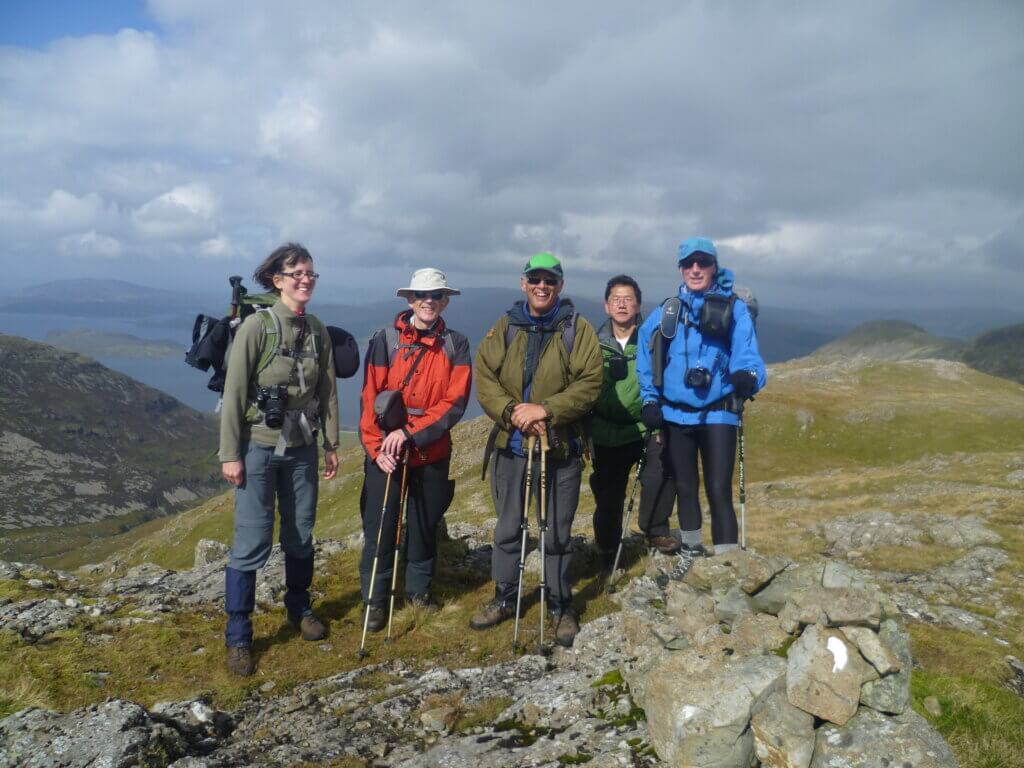
Much of that work is almost invisible when it is done well.
Which is perhaps why the quiet skill behind a good week hiking in the Highlands can be easy to overlook.
But it is often the difference between simply completing a walk and truly experiencing the Highlands in a meaningful and memorable way.
And after all these years, that remains one of the most rewarding parts of what we do.