








This website uses cookies to improve your experience. We\'ll assume you\'re ok with this, but you can opt-out if you wish. Read More
In case of sale of your personal information, you may opt out by using the link Do Not Sell My Personal Information
One of the great truths of exploring the Scottish Highlands is that the weather is not a backdrop — it’s a living part of the story, especially in the autumn and winter. The landscape transforms almost daily. How the weather can affect your trip, particularly when you’re spending time outdoors, should always be positive (even if it is type 2 fun – enjoyed in retrospect). In the autumn and winter you are far more likely to see mist curling through the glens, dustings of snow highlight the peaks, and shafts of sunlight break through the clouds to turn a dull day into something transcendent. The Highlands have a mood for every hour, and those moods shape every walk, every view, and every story that guests take home from Fraoch Lodge.
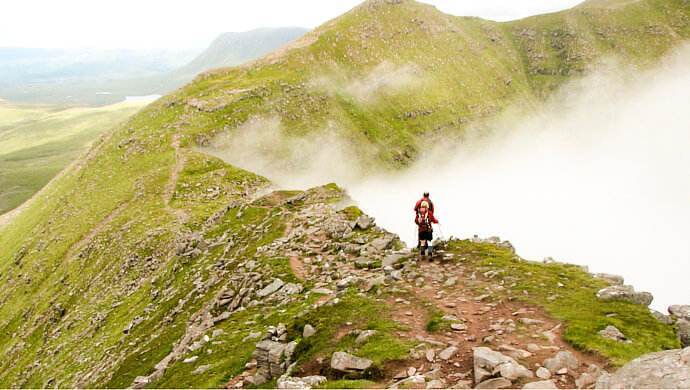
The weather’s not always perfect (it is Scotland) but can sometimes add drama to the scenery.
By late September, the air begins to sharpen. Heather fades from purple to russet, and the first snows start to appear on the Cairngorm tops. It’s not unusual to have four seasons in one day — a bright, frosty morning; a brief sleet shower; then sunshine strong enough to make you peel off your jacket. Mists can roll in unexpectedly, softening the landscape into mystery, while a sudden clearance reveals crisp views that feel like a reward for patience.
Winter brings its own variety. Sometimes we wake to hoar frost and glittering trees, other times to wild winds sweeping over the plateau. Snow can arrive in gentle flurries or overnight dumps, transforming trails and glens into quiet wonderlands.
For Andy, the weather isn’t an obstacle — it’s part of the craft. Every day begins with a careful read of the forecast, avalanche reports, and local conditions. Routes are chosen not just for safety but for the quality of experience.
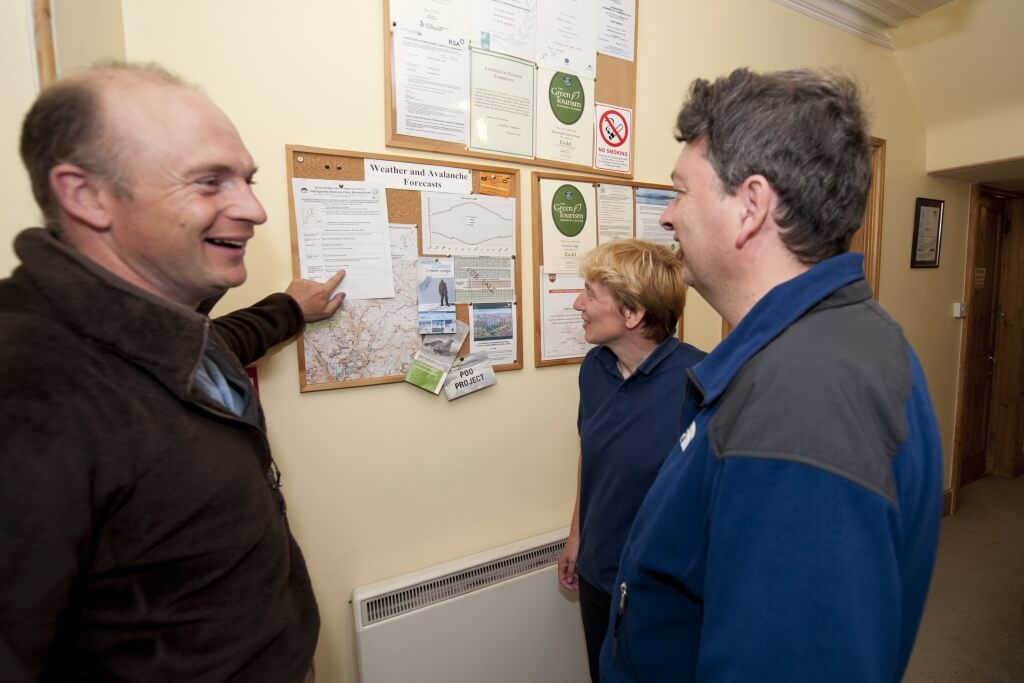
Andy advising some guests on weather and hiking
When high winds rule out a summit, we might head into a sheltered glen instead, where waterfalls are at their most dramatic and the birchwoods glow in autumn light. When snow closes one pass, another opens new possibilities — meandering through Caledonian pine forest, or pausing to spot deer moving quietly across the white landscape.
Our aim is always the same: to find the right blend of safety, comfort, and Highland magic. Flexibility is the secret ingredient that makes each trip feel like a small adventure.
Ask anyone who’s spent time in the Highlands, and they’ll have a “weather story.”
The rainbow that appeared over Loch an Eilein after a downpour. The way mist lifted just as a guest reached the top of Meall a’ Bhuachaille. The crunch of fresh snow underfoot after an overnight freeze.
These moments — unplanned and unscripted — are often the ones guests remember most. They remind us that in the Highlands, nature always has the last word, and that’s what makes it unforgettable.
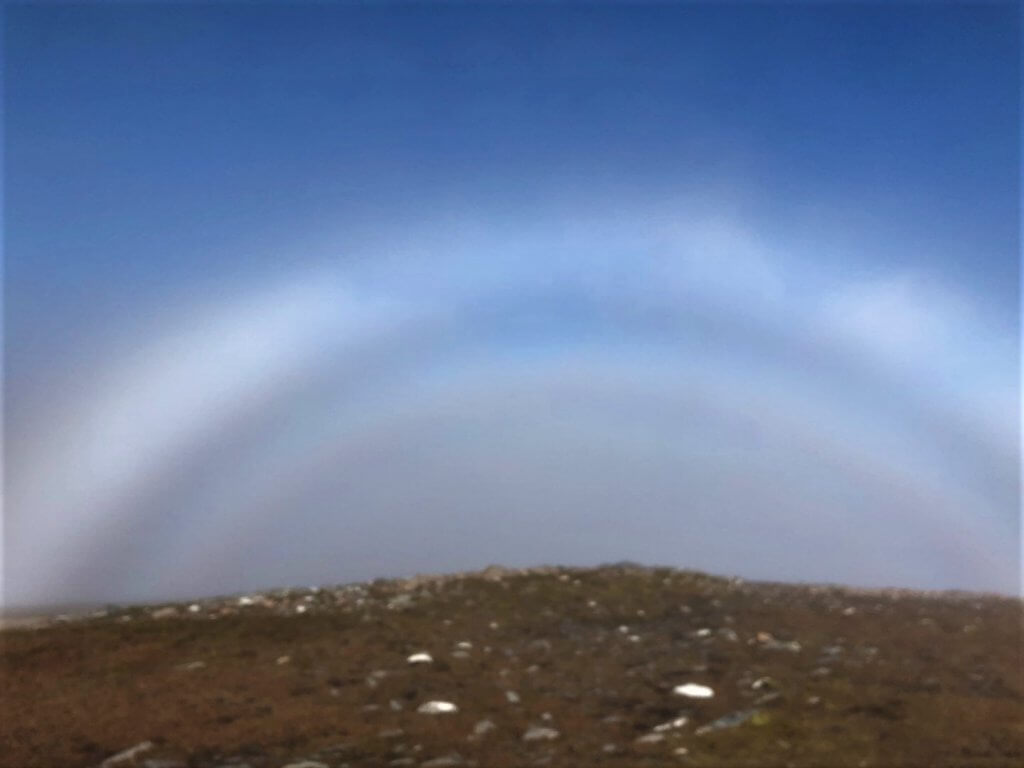
Another fog bow
A good experience in the Highlands isn’t about perfect weather — it’s about being prepared and keeping an open mind.
Here are a few practical tips to help make every outing enjoyable:
Layer wisely. Start with a breathable base layer, add an insulating mid-layer (fleece or lightweight down), and finish with a waterproof, windproof shell. NB base layers – we recommend either merino wool like Icebreaker or a Norwegian style string vest. Sounds very “grandad” but particularly if you sweat a lot this is surprisingly warm.
Keep extras handy. Gloves, hat, and buff are essential in autumn and winter — they weigh almost nothing but make a huge difference when the temperature drops. Spares are also a good idea, particularly if you are on expedition.
Stay dry. Pack a dry bag for spare clothes and a waterproof cover for your rucksack. I can’t recommend lining your bag enough. Autumn can be quite a wet season and the rain has a way of permeating your bag no matter what. We recently did a cycle trip into Loch Ossian Youth hostel in the dark and rain. Despite knowing better, I didn’t line my bag. Consequently by the time we reached the hostel I was not able to reward myself with dry clothing to change into. Not pleasant if you can’t change into dry clothing!
Footwear matters. Waterproof boots (leather rather than synthetic fabric boots are what’s required the closer it gets to winter) with good grip are non-negotiable; gaiters are a smart addition in snow or boggy conditions. NB Leather boots, though heavier, really come into their own in the autumn and winter as weather is naturally water resistant and is also generally warmer than synthetic fabrics. If you take care of your leather boots and make sure they don’t dry out when not used, they’ll last you for years and if treated will remain waterproof for far longer than any synthetic fabric boots.
Keep spirits high. A flask of soemthing hot – be it hot chocolate, tea, soup or coffee; a good snack (we do a pretty good range of home-baked snacks in the packed lunches, and often get asked for the recipes); and the promise of a warm meal back at Fraoch Lodge go a long way.
And remember — it’s often the changeable weather that gives the Highlands their drama. Without the mist, we wouldn’t get those fleeting, golden-clear moments that feel like pure reward.
Ready to embrace the elements?
Our guided walking holidays and winter skills courses are designed to help you experience the Highlands in all their moods — safely, comfortably, and with a sense of wonder.
How to find the perfect level of challenge for your walking holiday in Scotland
Planning a walking holiday in Scotland can be both exciting and overwhelming — with so many incredible routes to choose from, how do you know which one is right for you?
At Scot Mountain Holidays, we’ve developed our own grading system based on years of experience guiding walkers through the Cairngorms and across the Scottish Highlands. Our goal is to help you find the perfect fit: a trip that challenges you just enough to feel rewarding, without ever becoming a slog.
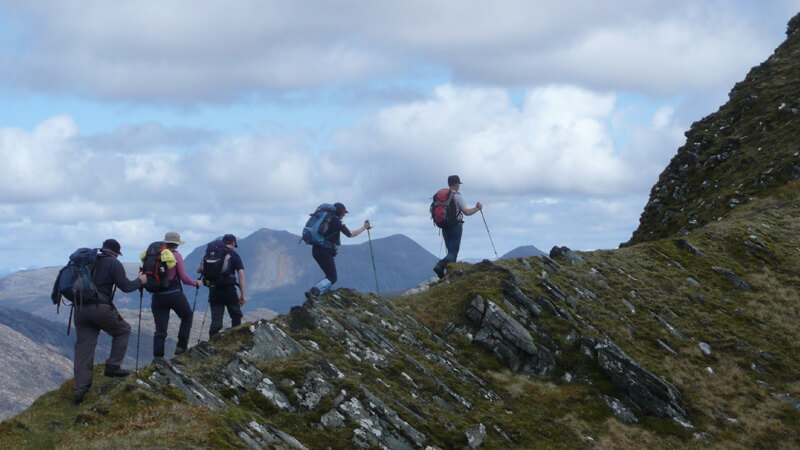
The ridges of the Knoydart peaks
The Scottish Highlands are unlike anywhere else. A walk that sounds moderate on paper can feel far more demanding once you factor in rugged terrain, changeable weather, and sustained ascents.
That’s why choosing the right walking grade is one of the most important steps when planning your holiday. It ensures you’re comfortable, confident, and free to fully enjoy the scenery, wildlife, and peace of the mountains.
Grading walks isn’t an exact science — but with a combination of modern map technology and over twenty five years of refining routes, we’ve developed what we believe is the most accurate method possible.
Each grade is based on the average length of a walking day, taking into account:
Distance covered and total ascent/descent
Terrain type (good paths vs. rough ground)
Conditions (e.g. carrying packs or walking in winter)
A pace suited to the group’s style and purpose
We’ve personally walked every route and adjusted our timings for real-life Scottish conditions, rather than relying on map estimates.
For multi-day holidays, the grade reflects the average day, with no day more than one hour longer or shorter than the average. For expeditions and weekend trips, the grade is based on the hardest day.

Very few of our scheduled trips fall into this category, due solely to the fact that we are based in the Cairngorms National Park. There are plenty of walks which are suitable for kids of all ages, but these tend be be short walks, clearly sign posted and therefore not usually the kind of walk we include on a guided itinerary as we feel the benefit of our expertise is mostly felt on less accessible walking routes.
If you lead a reasonably active life and enjoy being outdoors, a Grade 2 walking holiday will suit you perfectly. Expect 5–6 hours of relaxed walking each day on good paths or forest tracks with gentle gradients and minimal ascent.
These routes are ideal for first-time visitors to the Highlands or those looking for a more leisurely pace with plenty of time for photography and wildlife spotting.
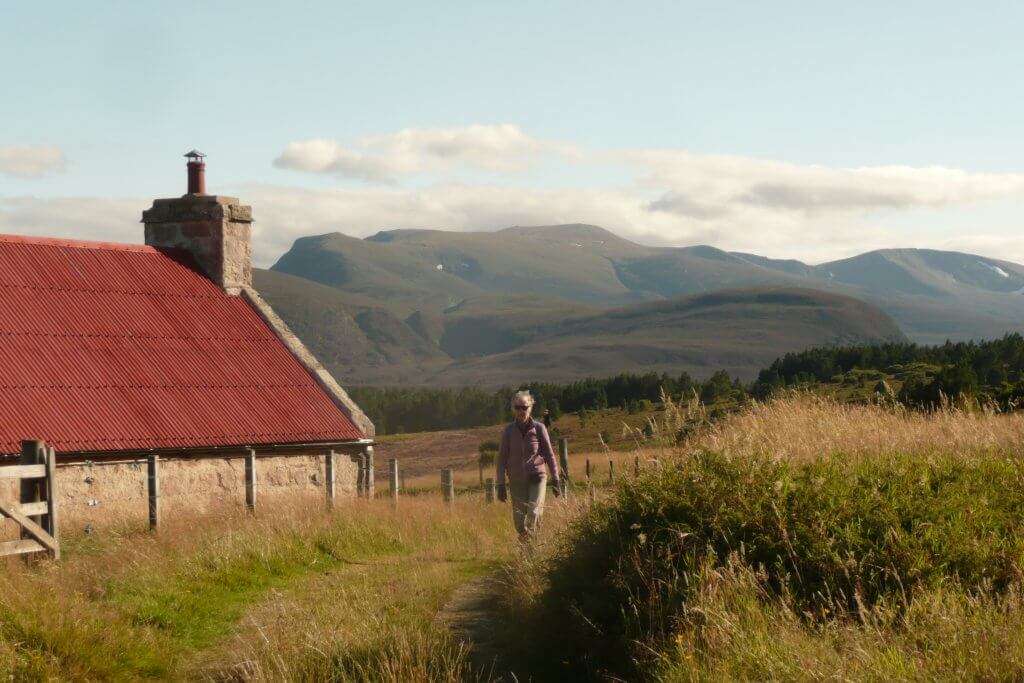
Low level walking in the Cairngorms National Park
For walkers with a good level of general fitness, our Grade 3 holidays offer the perfect balance of challenge and comfort. Days are typically 6–7 hours long with ascents up to 600m — similar to walking in the Lake District Fells.
You’ll experience a mix of terrain, including rougher mountain paths and some steeper sections, but at a steady, enjoyable pace.
Grade 4 holidays are for fit, regular walkers who enjoy full days on the hill. Expect 6–7 hours of steady walking with ascents up to 800m, often over rough, uneven mountain ground.
These walks are challenging but deeply rewarding, taking you into more remote and rugged corners of the Highlands — the kind of terrain that makes Scotland famous among walkers worldwide.
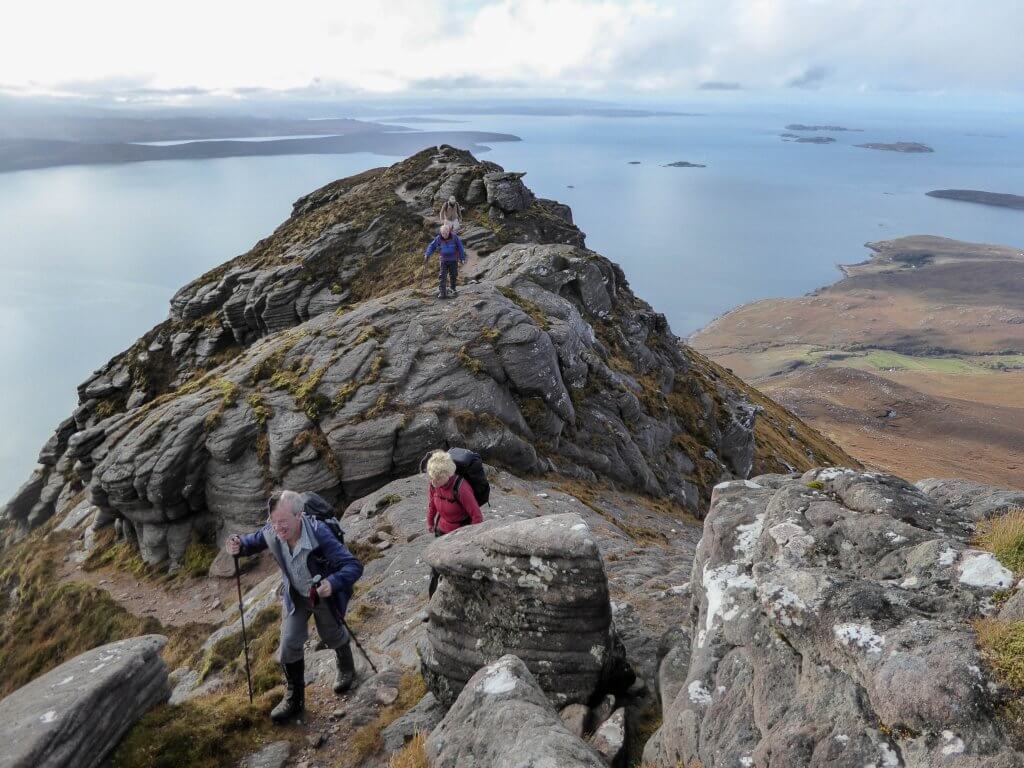
Group hiking with Scot Mountain Holidays
Our most demanding itineraries are graded 5 and involve 7–8 hour days with significant ascents (often over 1000m). You’ll need good aerobic fitness and the ability to maintain a consistent pace over rough, mountainous terrain.
If you’re already an experienced hillwalker or regularly take part in endurance or aerobic exercise, you’ll relish the sense of achievement and the spectacular views these routes deliver.
When selecting your walking holiday in Scotland, think beyond just fitness:
Pace: Do you prefer slow, steady walking with time for breaks, or a more continuous effort?
Ascent: Remember that even modest climbs can feel tougher on rough Scottish terrain.
Footing: Paths here can be stony, boggy, or uneven. Good balance and appropriate footwear are essential.
Weather: Scottish conditions can change rapidly. Wind, rain, or cooler temperatures can make even a moderate day feel more challenging.
Another fog bow
Before booking, ask yourself:
Can I comfortably walk for 6–7 hours in a day?
Do I take regular exercise or long walks?
Am I confident walking on rough or uneven paths?
Have I walked hills or mountains before?
If you’re uncertain, it’s always best to start at a slightly lower grade. Many guests find their stamina improves quickly once they’ve had a couple of days on the hill — and our guided holidays are flexible enough to adapt to how you’re feeling.
One of the main advantages of choosing a guided walking holiday in Scotland is flexibility. Our small group sizes allow our guides to adjust routes, pacing, and daily distances according to the group’s ability and the weather.
You’ll always be supported by an experienced guide who knows the terrain intimately — someone who can suggest alternative routes, shorten or lengthen the day, and ensure every walk remains safe, enjoyable, and fulfilling.
Choosing the right walking grade is about maximising your enjoyment, not testing your limits. Scotland’s landscapes are inspiring at every level — from gentle glen walks to high mountain ridges.
If you’re unsure which trip suits you best, we’re happy to help. Call Andrew on +44 1479 831 331 for friendly advice on matching your fitness and experience to the right itinerary.
Your next Highland adventure awaits — find the perfect fit in our range of guided walking holidays in Scotland.
When you picture the perfect walking holiday, your mind probably goes straight to the landscape — sweeping moors, rugged summits, and the satisfaction of a well-earned view. But anyone who’s spent a full day on the hill knows that what happens beyond the trail — the food, the comfort, and the welcome that awaits you — can make all the difference between a good trip and a truly unforgettable one.
After hours of fresh air and physical effort, the body craves real food — something nourishing, hearty, and full of flavour. That’s why we believe food should be just as integral to a walking holiday as the walking itself. Locally sourced ingredients not only taste better, but they also connect you to the landscape in a different way — from the Cairngorm-reared venison and Speyside oats to the berries gathered just down the road.
Meals at Fraoch Lodge are designed to restore energy and lift the spirits. After a long day out, guests can expect the kind of food that warms you from the inside out: steaming bowls of soup packed with local vegetables, home-baked bread fresh from the oven, and a main course that balances flavour with nourishment. In summer, that might be a colourful salad bursting with herbs from the garden; in winter, perhaps a rich stew simmered slowly through the afternoon, ready for your return.
We keep an eye on the seasons, too — letting what’s growing locally shape the menu. It means you’ll rarely eat the same meal twice, but you’ll always know it’s been prepared with care and purpose.

There’s a special kind of tiredness that comes from a full day’s walking — satisfying, but demanding. That’s why we’ve made comfort part of the recovery process. At Fraoch Lodge, warm beds, fresh linen, and a welcoming atmosphere await you after the hills.
Every detail is designed with walkers in mind: a drying room to rescue damp boots and waterproofs, soft seating where you can stretch out with a cup of tea or a dram, and communal spaces where stories from the trail are shared. Whether you’re swapping route highlights, planning the next day’s adventure, or simply unwinding by the fire, this time off the hill is as much a part of the experience as the day’s miles.
When guests head out each morning, the day doesn’t slow down at the lodge — it shifts gear. While you’re exploring the Cairngorms, the kitchen hums with quiet purpose. Bread doughs are rising, soups are simmering, and the day’s baking begins.
By the end of the day, everything is in place to help you rest and recover: boots drying, dinner scents filling the air, and a warm welcome waiting. It’s all part of the rhythm that makes a walking holiday flow — effort and ease, movement and stillness, exploration and comfort.
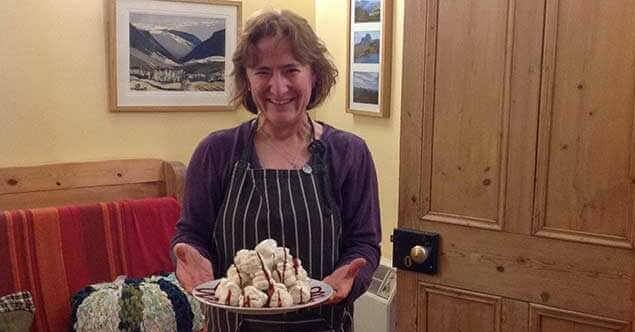
Amazing meals at Fraoch Lodge
A truly memorable walking holiday isn’t just about the miles covered — it’s about how well you’re cared for in between. At Fraoch Lodge, we make sure that what happens beyond the trail is just as rewarding as the journey itself.
When the first chill touches the air and the light takes on a softer golden quality, the Scottish Highlands undergo one of their most dramatic transformations. Autumn here isn’t just a season – it’s a spectacle. From fiery mountain slopes to the haunting sound of migrating geese, walking in the Cairngorms and wider Highlands in autumn offers an experience every bit as memorable as summer’s long days.
In this blog, we’ll share what makes an autumn walking holiday in Scotland so unique, and why it’s worth lacing up your boots before winter fully sets in.
Autumn brings an explosion of colour to the Highlands. The birch woods turn a luminous yellow, contrasting with the deep bronze of bracken and the russet glow of rowan trees heavy with berries. On higher ground, the heather fades to rich copper and purple-brown, while bog grasses flush a fiery orange.
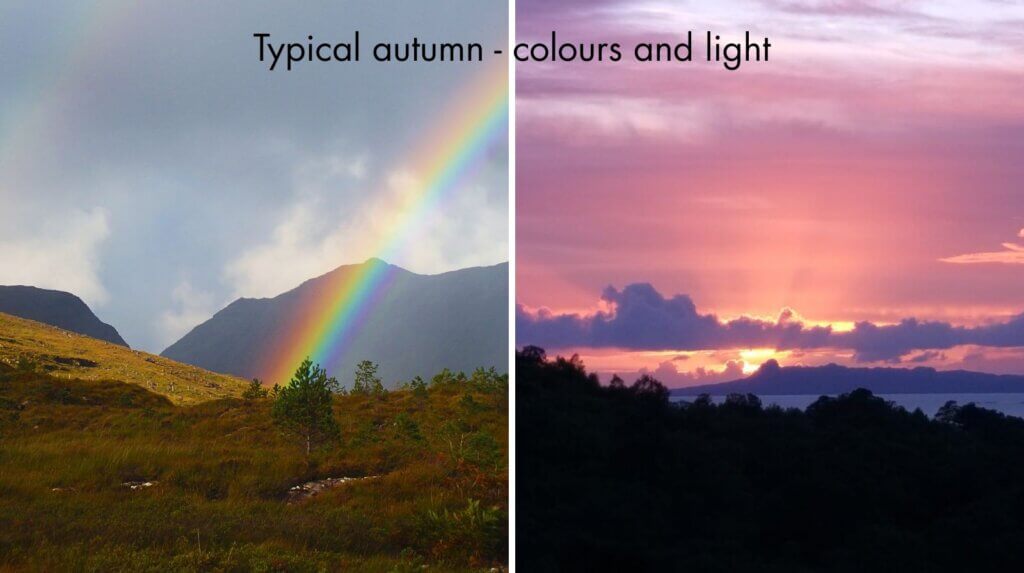
Walking here in October or November means you’ll find yourself surrounded by colour at every turn. The softer, angled light of the season intensifies the hues, creating perfect conditions for photographers and those who simply want to soak in the views.
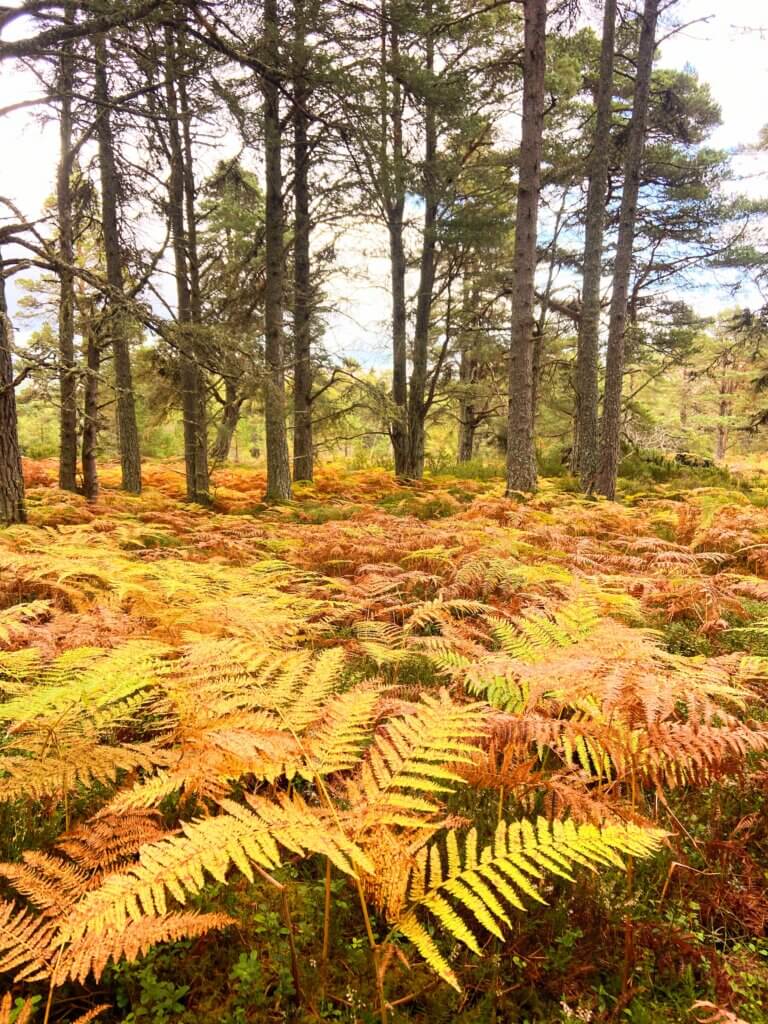
Autumn also means movement in the natural world. Some species prepare for winter, while others are just passing through.
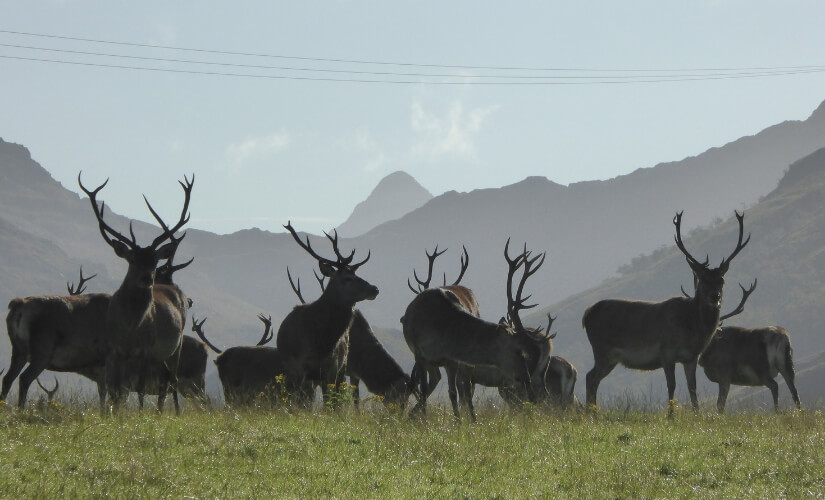
The Red Deer Rut: The roar of stags echoing across glens is one of Scotland’s most atmospheric natural events. Watching these magnificent animals posture and battle is unforgettable – but best observed from a respectful distance.
Migrating Birds: Flocks of pink-footed geese arrive from Iceland, filling the skies with their calls. Meanwhile, local species like the ptarmigan and mountain hare begin changing their coats, blending into the coming snows.
Fungi Season: The damp ground becomes a treasure hunt for fungi enthusiasts. At this time of year, you’re more likely to come across sturdy bolettes such as the prized penny bun, as well as an array of colourful toadstools brightening the forest floor.
With an experienced guide, these subtle seasonal signs are brought to life. Guests often remark how much more they notice when someone points out the changes beneath their feet and above their heads.
Shorter days bring longer dawns and dusks. Mists rise from lochs, cloaking the hills in ethereal veils before burning off to reveal crisp, clear skies. Sunsets linger in shades of apricot and rose, mirrored in calm waters.
The interplay of light and shadow on mountain slopes in autumn is a gift to walkers – you may find yourself pausing as often for the shifting views as for a breather.
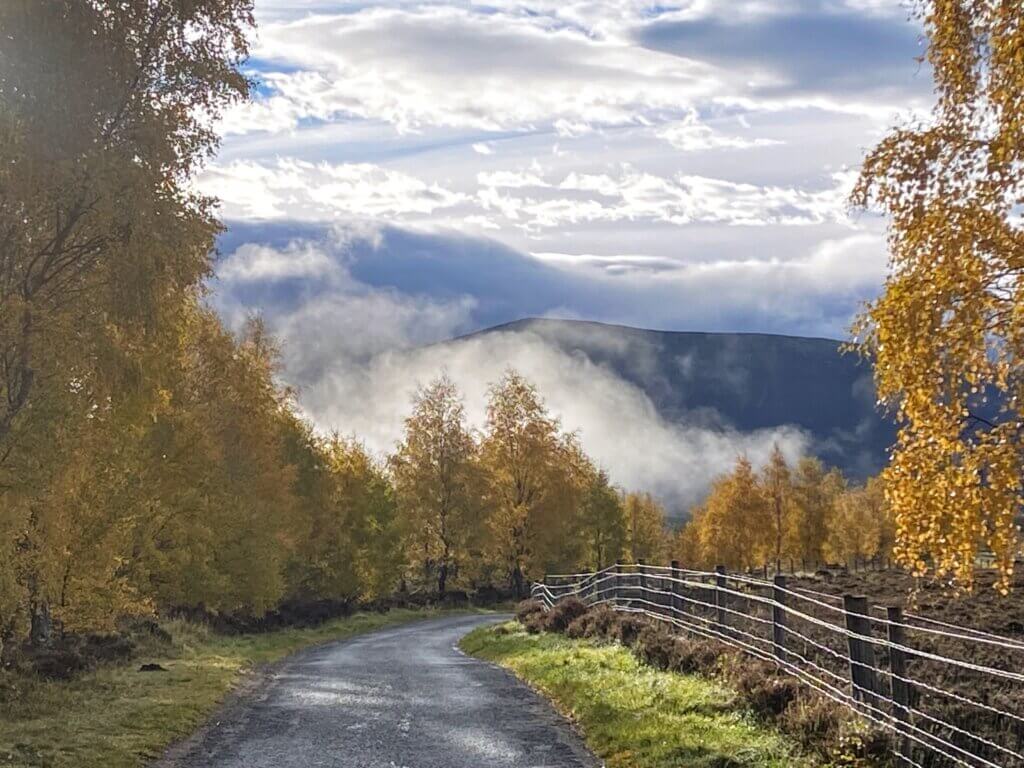
Many walkers think first of summer when planning a Scottish holiday. But autumn has its own special charms:
Quieter Trails: With fewer visitors around, the hills feel more peaceful, giving you the chance to savour the landscape at your own pace.
Comfortable Temperatures: Brisk, fresh air keeps you cool on the climbs.
Rich Rewards Indoors: Returning to warmth, good food, and shared stories feels even more satisfying after a day in crisp autumn weather.
Autumn walking in the Highlands is about more than scenery; it’s about connection – to the land, to wildlife, and to the rhythm of the seasons. It’s a time of transition, where every step reveals a new detail: a stag on the ridge, a skein of geese overhead, a blaze of colour in the birch woods.
Guided walks during this season help you see what might otherwise go unnoticed and ensure you walk safely as the weather turns cooler. More than anything, autumn offers the perfect balance between wilderness adventure and quiet reflection.
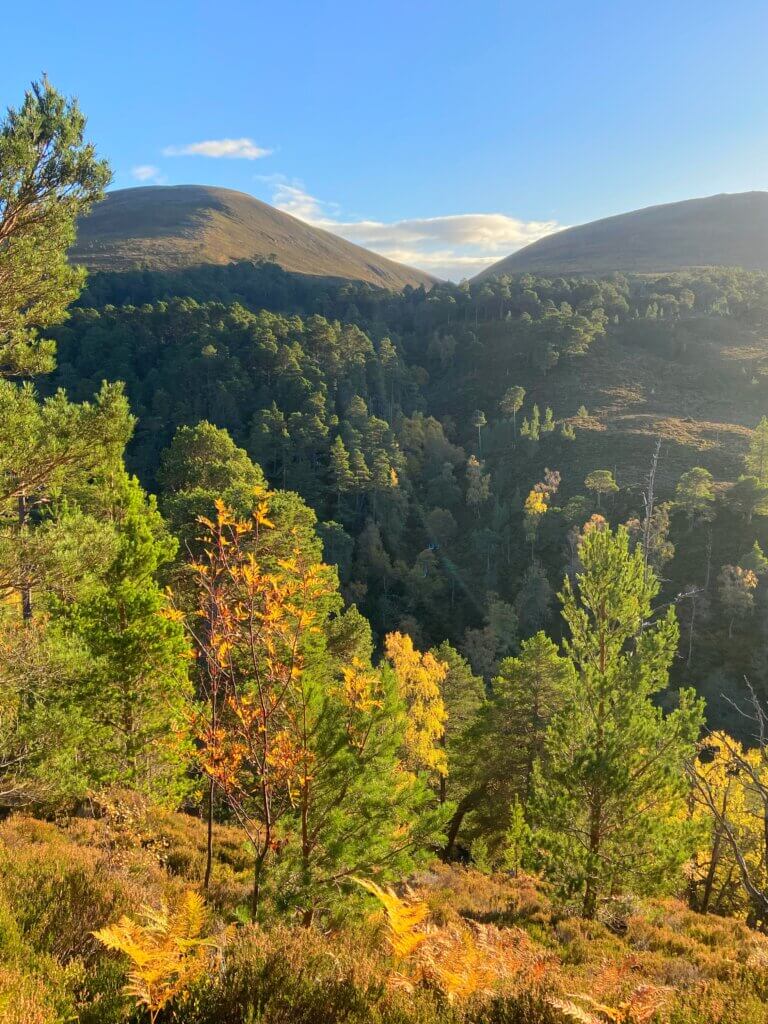
The change from summer to autumn can demand a wee bit more from you to keep the spirits up and the body healthy. Here’s a few tips to help get deal with the change of seasons:
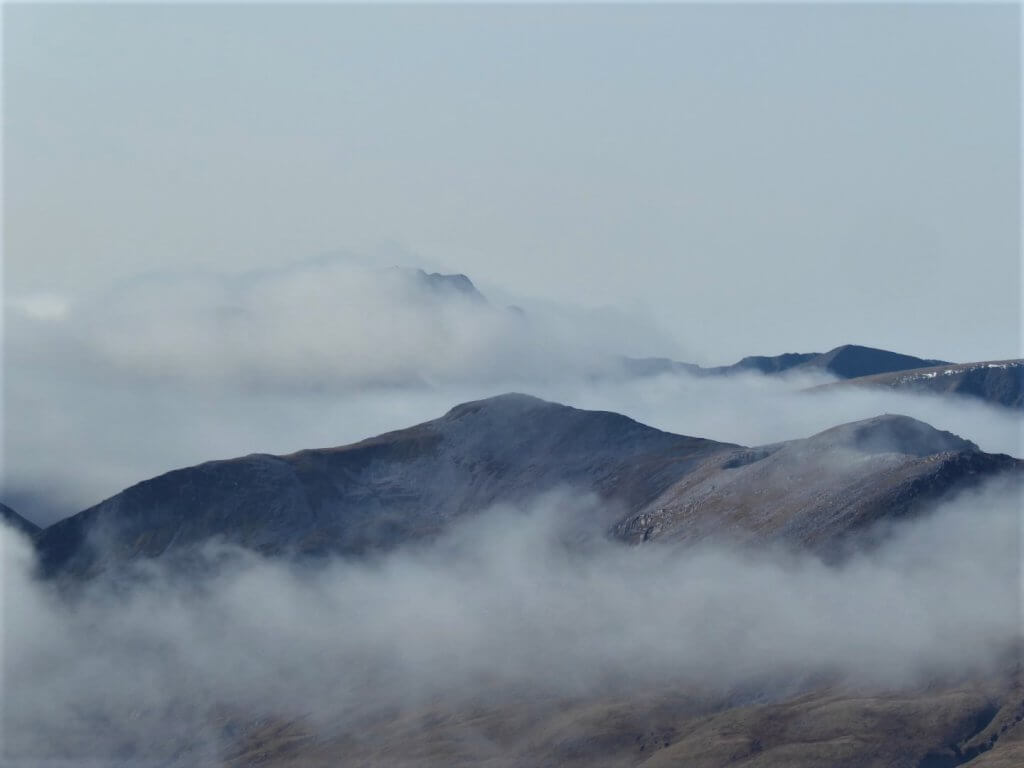
One of the photography highlights of the autumn – hanging mists
The approach of autumn often seems to come overnight. One day it’s bright and sunny; the next we’re dealing with frost and fog.
Both Autumn and winter have their own challenges. In autumn, the days are already getting shorter, the leaves are falling from the trees and there can often be more rain than during other seasons. These all combine to produce more slippery conditions underfoot, meaning that more care needs to be taken when out and about. You might also want to consider investing in extra gear to make you more comfortable; like waterproof socks or leather boots.
On top of this, the daylight hour start to decline – which mean additional equipment to pack in your bags, such as headtorches.
The plus side though is that there are plenty of reasons to continue getting out and about and making the most of the season.
If you are keen to keep yourself fit and prepared to hike in the autumn and winter, here are a few tips to combat the winter blues and autumn lethargy, brought on by the shorter days.
Also check out our how to get fit for winter blog
There’s no getting away from it as autumn becomes more established and winter looms on the horizon, it does become more difficult to motivate yourself to get up and get on with the day. It’s all to do with the lack of sunlight (leading to lower levels of serotonin) and lack of vitamin D.
Hasn’t everyone had at least one experience which they were completely under prepared for? I’ll tell you mine.
We decided to take a family night away (to bag a rogue Munro- or two – on the west coast). The plan was to cycle in, camp and climb the munros the following day. All went to plan until the walk began under continuous rainfall and wet bog. Unfortunately I had decided to wear my cycle trousers (only waterproof in high stress areas) and cotton leggings under them. Can’t remember what I was wearing on top. Nor can I remember what jacket I was wearing. By the top of the first Munro I was soaked to the skin and getting progressively colder. Breaks were no fun. I did not attempt the second Munro.
Striking camp had to be left to the boys (who were cosy enough under their more choice apparel).
I cycled out to the van and had to strip and huddle under a blanket to try to warm up.
Lesson learnt though – cotton leggings have not reappeared in my hillwalking wardrobe. Lovely warm merino leggings are now my go-to choice any time I head out in autumn or winter.
The weather here, partly due to our latitude, does make hiking more of a challenge but with the proper training, clothing or leadership; it can all be conquered.
If you decide to explore in the Cairngorms, check out our accommodation at Fraoch Lodge, where we can offer free advice on hikes and equipment if you wish.
 Scot Mountain Holidays (Ltd),
Fraoch Lodge, Deshar Road,
Boat of Garten,
PH24 3BN
Scot Mountain Holidays (Ltd),
Fraoch Lodge, Deshar Road,
Boat of Garten,
PH24 3BN




All content © Copyright Scot Mountain Holidays 2025
Responsive web design by Summit Web Solutions
