 On October 21, 2026
 By Rebecca Field
There is something about the Cairngorms in winter that makes familiar hills look entirely different. Snow picks out the shape of the land, low sunlight throws long shadows across the plateau, and sometimes the cloud sits below the summits, leaving the higher mountains in a world of their own.
Winter walking isn’t always blue skies and perfect snow, of course. Conditions can change quickly, and choosing where to walk is part of the experience. But when the weather and light come together, the mountains can be extraordinary.
With another winter season approaching, we’ve been looking back through some of Andy’s photographs from previous trips. Here are a few of the scenes and moments that remind us why we look forward to returning to the hills each winter.
1. When the hills turn white

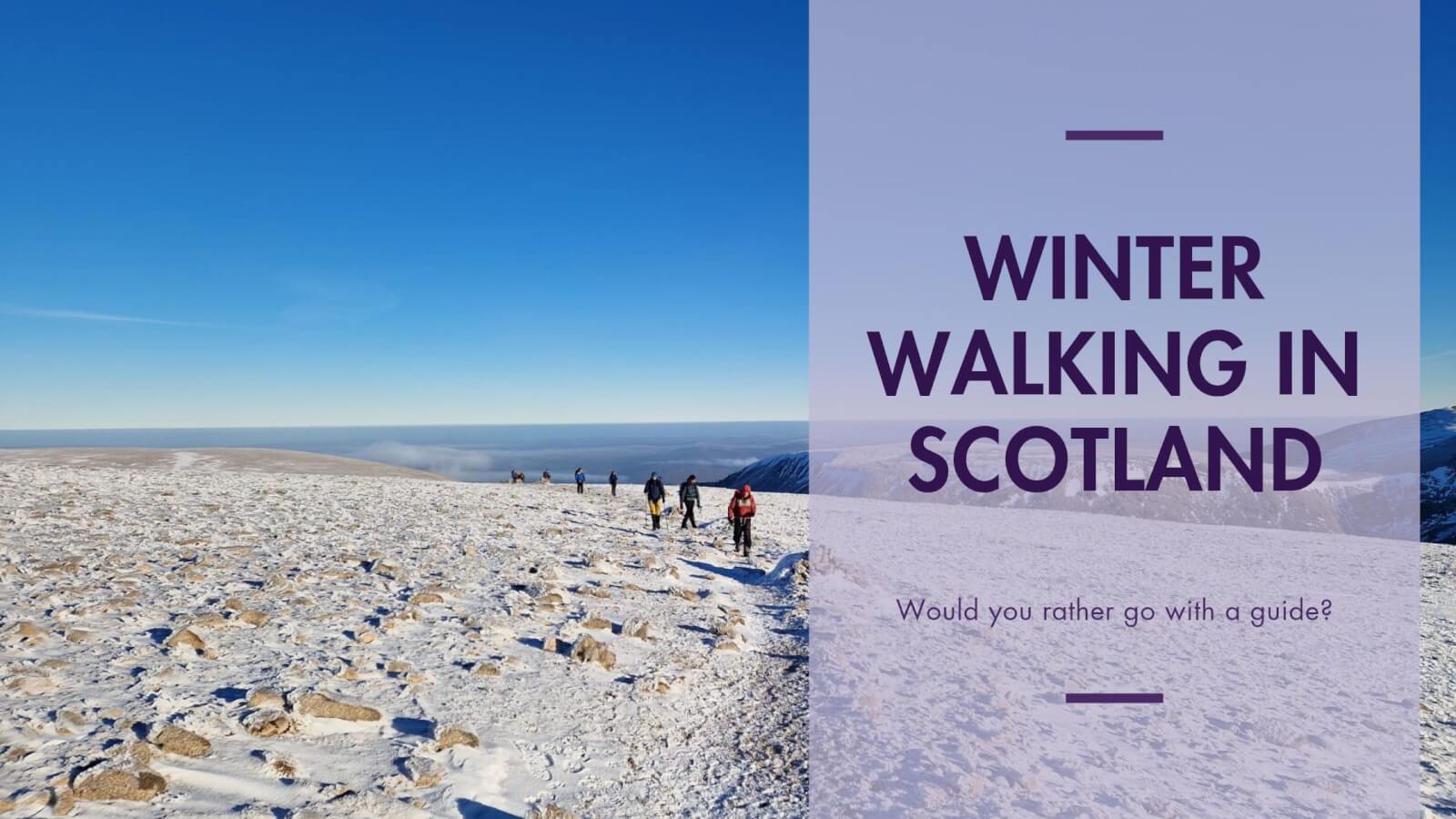
When the hills turn white here in the Cairngorms, it completely changes the landscape. Familiar routes take on a different character, the contours of the ground become more pronounced and rocks, ridges and corries stand out against the snow. There’s a real sense of anticipation when the first proper snowfall arrives. Everyone gets excited and starts dusting off their winter equipment.
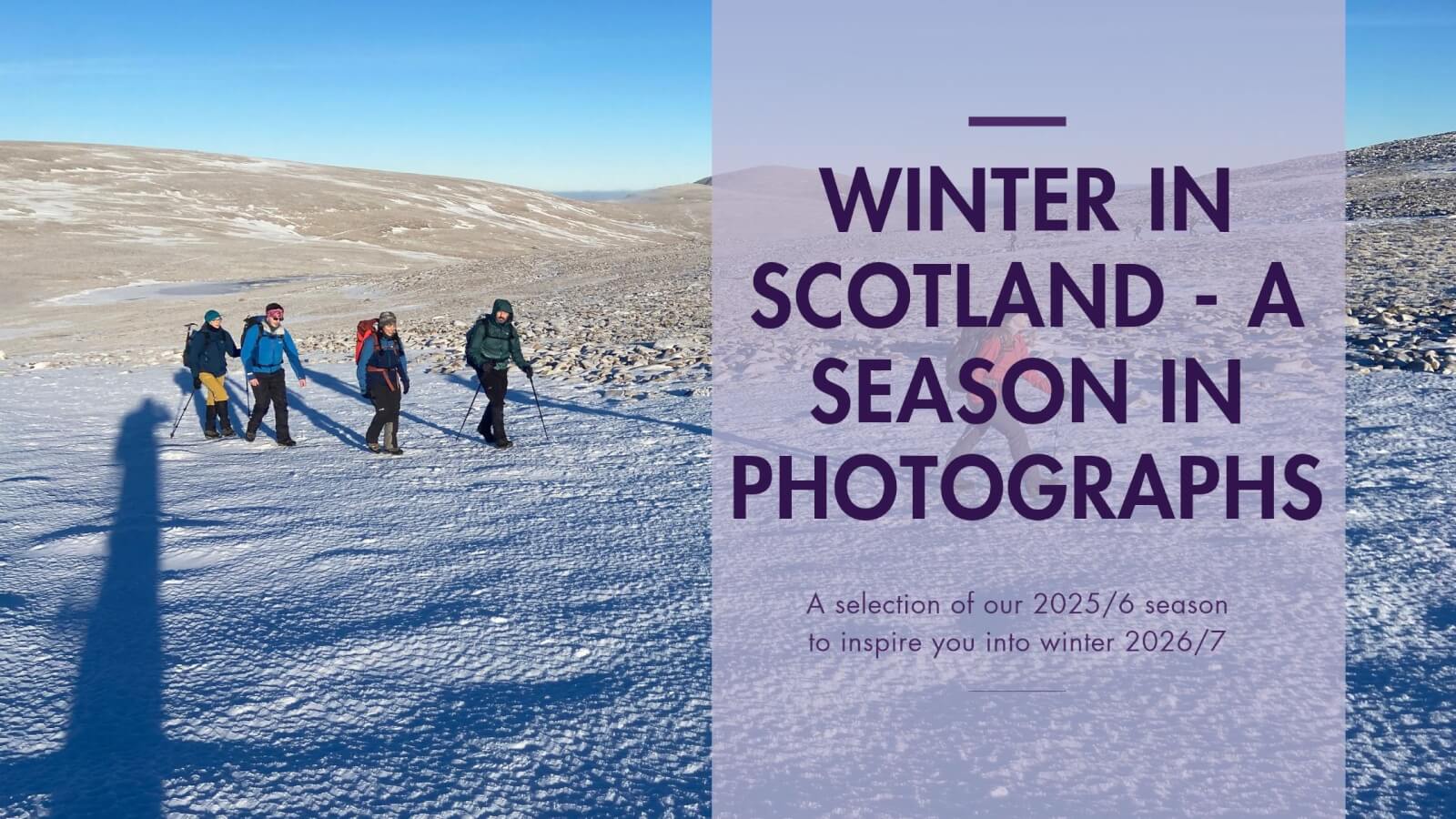
A clear blue-sky day in the Scottish mountains in winter really can’t be beaten. The air is crisp, the light is stunning and the low sun throws long shadows across the snow. On a good day, the views seem to go on for ever. Even hills you’ve walked many times before can look completely different, and it’s hard not to stop regularly to take photographs.
But a covering of snow changes more than the appearance of the hills. It can hide paths and familiar landmarks, make rough ground harder to read and turn straightforward slopes into icy or potentially hazardous terrain. Conditions can also vary considerably between the glen and the summits, and a bright, sunny morning doesn’t guarantee that the weather will stay settled.
That’s part of what makes winter walking so different from summer hillwalking. The rewards can be exceptional, but you need the right equipment, the skills to use it and the judgement to know when conditions call for a change of plan. When the hills turn white, the excitement is real — but so is the need to take them seriously.
2. Winter light

Sunrise, sunset and clear air
It’s the light in photographs like these that makes winter days out in the Scottish mountains particularly special. It excites photographers and hillwalkers alike, and it’s difficult to find a match for it at other times of year.
The sun stays low in the sky, picking out ridges and rocky outcrops, throwing long shadows across the snow and bringing out colours you might barely notice in summer. Early starts and shorter days also mean we’re sometimes on the hills as the sun rises or sets, when the sky can turn extraordinary shades of orange, pink and gold.
On clear days, the air can feel remarkably crisp and distant mountains stand out sharply against the horizon. Sometimes the cloud lies below us, leaving the higher summits in sunshine above a sea of white. You can take dozens of photographs, but it’s not always easy to capture the feeling of being there.
3. A different kind of mountain walking

Looking into Coire an Sneachda in the Cairngorms in winter
Winter opens up a different side of the mountains, but reaching places like this requires more than enthusiasm and a good pair of boots. Snow and ice change the nature of the terrain, and conditions can make familiar routes much more demanding.
Anyone venturing into winter mountain terrain needs to know how to use an ice axe and crampons, and be confident with navigation when paths and familiar features are hidden by snow. It is equally important to understand the weather, assess the conditions and recognise when a route is beyond your skills or when it is better to turn back.
The rewards can be exceptional, but winter mountain walking calls for preparation, sound judgement and the willingness to adapt your plans.
4. The people who share the day

When the hills turn white – groups crossing the snow
The people we share our winter days with have often been coming back to walk with us year after year. There is something special about sharing these experiences: the anticipation of setting out, the conversations along the way, the views that make everyone stop for a moment, and the satisfaction of getting back after a good day on the hill.
Winter walking can be demanding, but it is also full of moments that stay with you. Sometimes it’s the conditions or the scenery that people remember; sometimes it’s simply the company. A photograph can capture the landscape, but it rarely tells the whole story of a day in the mountains.
For us, these shared experiences are a big part of what makes our winter walking holidays so rewarding.